
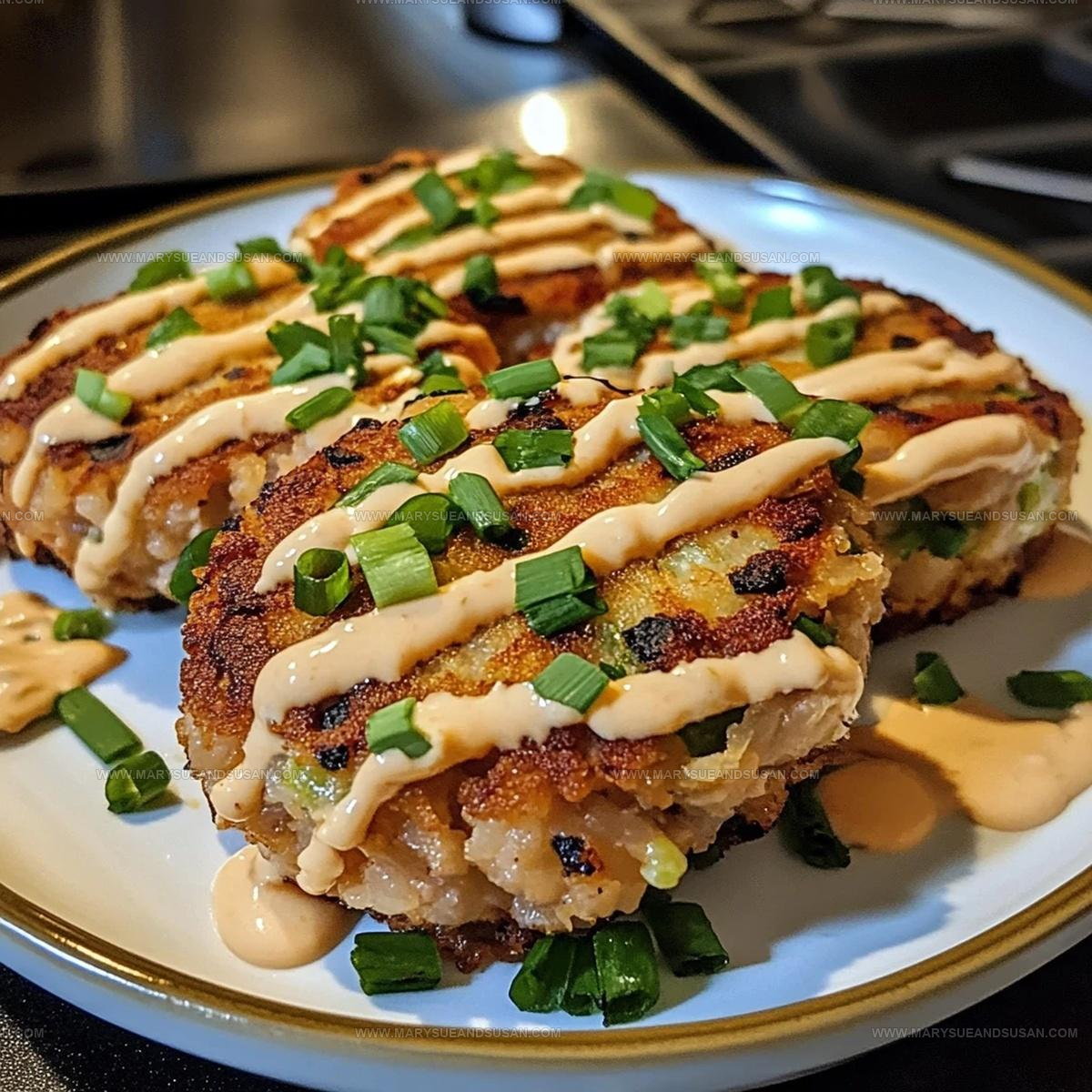
Asian Tuna Cakes Recipe That Delivers Crispy Golden Perfection

Succulent asian tuna cakes spark joy for seafood enthusiasts searching for quick, impressive meals.
Packed with vibrant flavors and textures, these delectable patties offer a delightful twist on traditional fish preparations.
Marine protein becomes something extraordinary through careful seasoning and smart cooking techniques.
Seafood lovers appreciate how simple ingredients can create restaurant-worthy dishes without complex methods.
Weeknight dinners demand smart solutions that balance nutrition and satisfaction, making these tuna cakes an ideal choice.
Home chefs seeking protein-rich alternatives will adore how effortlessly this recipe comes together.
Crispy exterior and tender interior promise a memorable dining experience that satisfies hunger and culinary curiosity.
What Makes Asian Tuna Cakes So Crisp
Full Ingredient List for Asian Tuna Cakes
Protein Base:Binding Ingredients:Flavor Enhancers:Coating and Cooking:Required Kitchen Tools for Asian Tuna Cakes
Cooking Method for Asian Tuna Cakes
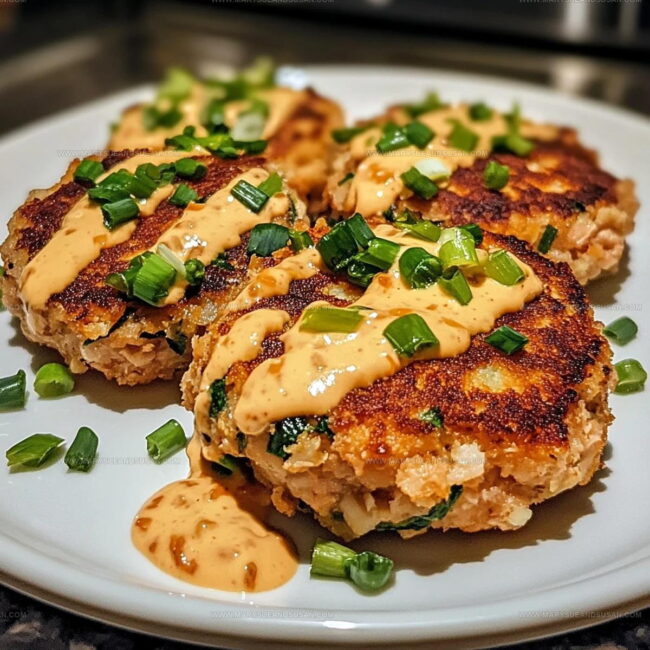
Mixing the Tuna Base
Grab a mixing bowl and toss in 2 cans (10 ounces total) of drained white tuna. Chop up those green onion whites and add them to the bowl. Crack in 1 large egg, then pour 2 tablespoons of soy sauce. Measure out 1/4 cup of arrowroot powder and 1/4 cup of mayonnaise. Mince 1 clove of garlic and sprinkle in 1/2 teaspoon salt and 1/4 teaspoon black pepper. Mix everything thoroughly until it’s completely combined and looks like a unified mixture.
Forming Tuna Cakes
Shape your tuna mixture into small patties about 2 inches wide. Prepare your coating station with 1 cup of gluten-free or panko crumbs. Roll each tuna patty in the crumbs, making sure every surface gets a nice, even crunchy coating.
Heating the Pan
Set your nonstick pan over medium heat. Pour in 2 tablespoons of avocado oil and 2 tablespoons of sesame oil. When the oil starts to shimmer, carefully place your breaded tuna cakes into the pan.
Cooking the Cakes
Cook the tuna cakes for exactly 2 minutes on one side, watching for a golden-brown color. Flip them gently and cook another 2 minutes on the other side. You’re looking for a crisp exterior and heated-through center.
Preparing Dipping Sauce
Whisk together in a small bowl:
Serve the sauce alongside your freshly cooked tuna cakes and enjoy!
Useful Kitchen Notes For Asian Tuna Cakes
What Other Variations Work For Asian Tuna Cakes
Simple Serving Ideas For Asian Tuna Cakes
Storage And Reheating Notes For Asian Tuna Cakes
Asian Tuna Cakes Popular Questions
Can I use canned salmon instead of tuna?
Absolutely! Salmon works great and provides a similar texture. Just drain it well and follow the recipe exactly the same way.
Do these tuna cakes freeze well?
Definitely. After cooking, let them cool completely, then wrap each cake individually in plastic wrap and store in a freezer bag for up to 2 months.
What if I don’t have arrowroot powder?
Cornstarch makes an excellent substitute. Use the same amount and it will help bind the tuna mixture perfectly.
Are these tuna cakes gluten-free?
They can be! Just select gluten-free breadcrumbs and check that your soy sauce is certified gluten-free.
Can I bake these instead of frying?
Absolutely. Preheat your oven to 400°F, place the crumb-coated cakes on a parchment-lined baking sheet, and bake for about 15 minutes, flipping halfway through.
How spicy is the dipping sauce?
The sriracha adds a mild kick. For less heat, start with half the amount and adjust to your preference.
Asian Tuna Cakes Recipe
- Total Time: 14 minutes
- Yield: 4 1x
Description
Whipping up these Asian Tuna Cakes brings zesty flavors to your dinner table with minimal effort. Fresh tuna, green onions, and a touch of sesame make these crispy patties a quick weeknight winner that your family will devour.
Ingredients
Main Proteins:
- 2 cans (5 ounces each) flaked white tuna
- 1 large egg
Binding and Seasoning:
- ¼ cup mayonnaise
- 2 tablespoons soy sauce
- ¼ cup arrowroot powder
- ¼ cup green onions
- 1 clove garlic
- ½ teaspoon salt
- ¼ teaspoon black pepper
Coating and Cooking:
- 1 cup gluten-free crumbs or panko crumbs
- 2 tablespoons avocado oil
- 2 tablespoons sesame oil
Instructions
- Drain two 5-ounce cans of white tuna completely, ensuring no liquid remains. Transfer tuna to a medium mixing bowl.
- Add ¼ cup chopped green onion whites, 1 large egg, 2 tablespoons soy sauce, ¼ cup mayonnaise, 1 minced garlic clove, ½ teaspoon salt, and ¼ teaspoon black pepper to the tuna. Blend ingredients thoroughly until they form a consistent mixture.
- Incorporate ¼ cup arrowroot powder into the tuna blend, mixing until ingredients are evenly distributed and hold together.
- Shape the mixture into 2-inch diameter patties using your hands. Aim for compact cakes that won’t fall apart.
- Spread 1 cup of gluten-free or panko crumbs on a plate. Roll each tuna patty in the crumbs, pressing gently to ensure complete and even coating.
- Heat a nonstick skillet over medium heat. Add 2 tablespoons avocado oil and 2 tablespoons sesame oil to the pan.
- Carefully place tuna cakes in the hot oil. Fry for exactly 2 minutes on one side until golden brown and crisp.
- Flip cakes and cook an additional 2 minutes on the other side, ensuring both surfaces are evenly browned and heated through.
- Remove cakes from pan and let rest on a paper towel to absorb excess oil for 1-2 minutes before serving.
Notes
- Toast the panko or gluten-free crumbs in a dry skillet before coating the tuna cakes to enhance their crispiness and add extra flavor.
- Drain the tuna thoroughly to prevent soggy cakes, using a fine-mesh strainer or paper towels to remove excess moisture.
- For a lighter version, bake the tuna cakes at 400°F for 12-15 minutes instead of frying, flipping halfway through for even browning.
- Customize the dipping sauce by adjusting sriracha levels or replacing it with sweet chili sauce for a milder heat profile.
- Prep Time: 10 minutes
- Cook Time: 4 minutes
- Category: Tuna
- Method: Frying
- Cuisine: Asian
Nutrition
- Serving Size: 4
- Calories: 310 kcal
- Sugar: 1 g
- Sodium: 720 mg
- Fat: 22 g
- Saturated Fat: 3 g
- Unsaturated Fat: 18 g
- Trans Fat: 0 g
- Carbohydrates: 13 g
- Fiber: 1 g
- Protein: 20 g
- Cholesterol: 55 mg
Susan Whitaker
Content Specialist & Home Cooking Guide
Expertise
Family-friendly Meals, Simple Healthy Cooking, Ingredient Substitutions, Beginner-friendly Recipes, Flexible Meal Prep
Education
Susan is the steady, practical guide at Mary Sue & Susan, bringing clarity, structure, and a warm sense of encouragement to every recipe she touches. Susan joined the site with a simple goal: help people cook with more confidence and less guesswork.