
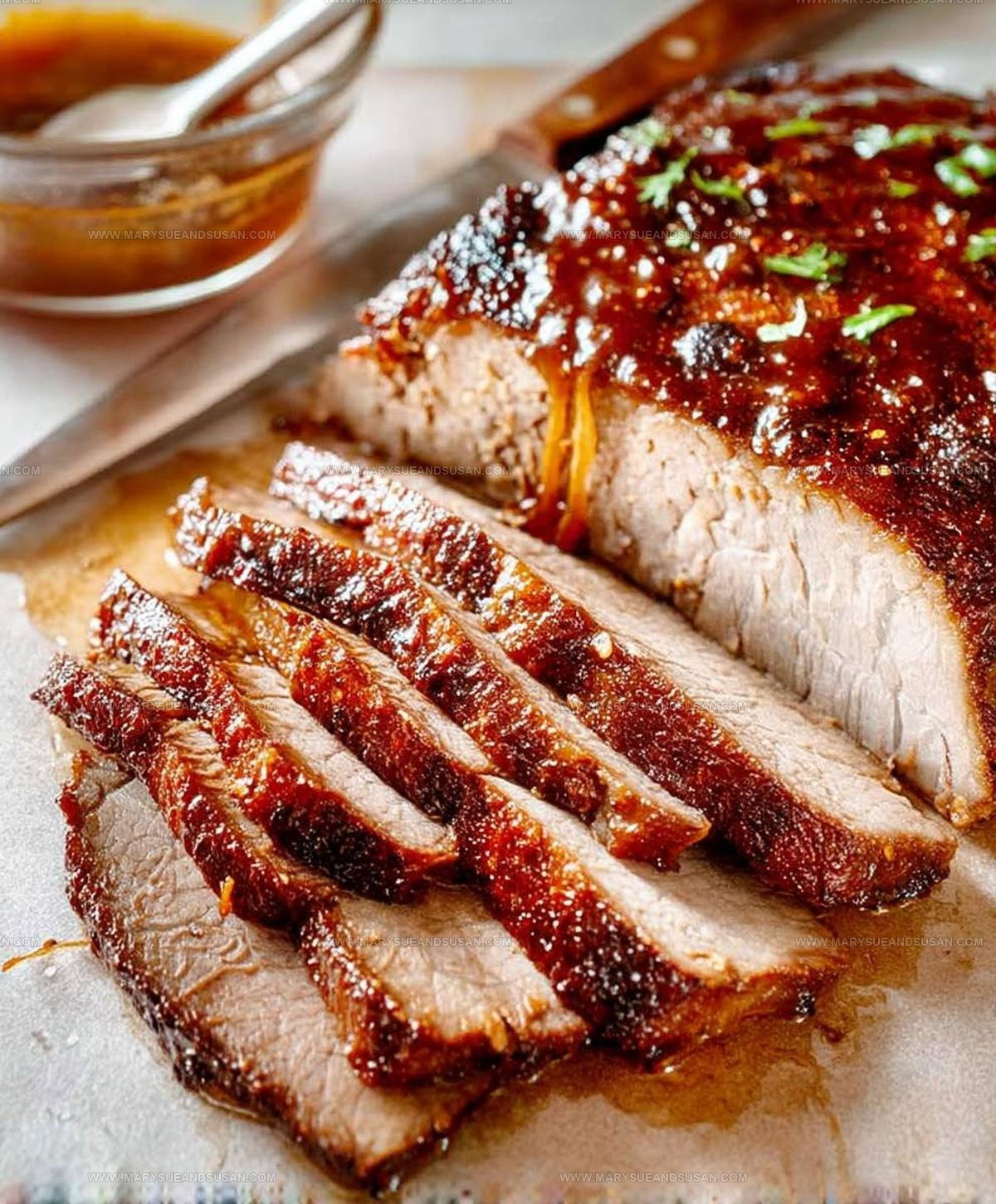
Smoky Barbecue Beef Brisket Recipe for Summer Grilling

Barbecue beef brisket recipe enthusiasts know that few meals command attention quite like this Southern classic at any gathering.
Slow-cooked to tender perfection, brisket delivers bold, smoky flavors that satisfy appetites from summer cookouts to cozy winter feasts.
Whether hosting a backyard celebration or preparing Sunday dinner, brisket provides people together around the table with its melt-in-your-mouth texture and rich taste.
Regional variations across the country mean there's always something new to learn about perfecting brisket.
Patience pays off handsomely here, as the low-and-slow approach yields results that make every moment worthwhile.
When you serve up slices of properly prepared brisket, compliments flow freely and plates empty quickly.
Time to fire up that smoker and show everyone what real comfort food looks like.
Slow-Cooked Highlights of Barbecue Beef Brisket
What Goes Into Barbecue Beef Brisket
Main Meat:Binding Agent:Dry Rub Spices:Moisture and Flavor Enhancers:Optional Enrichment:Wrapping Materials:What Tools Smoke Barbecue Beef Brisket
Slow-Cooking Guide for Barbecue Beef Brisket
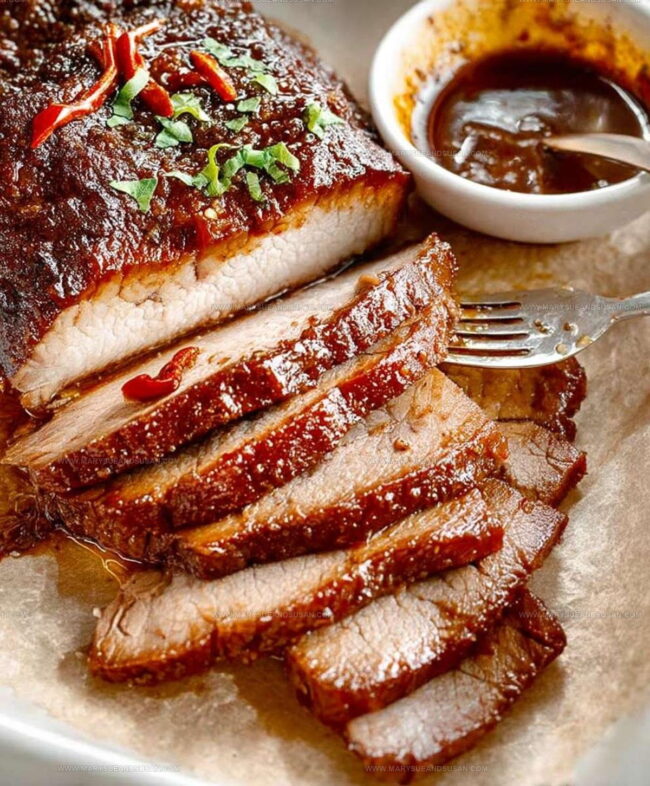
Prep the Meat
Grab that massive 12-14 pound beef brisket and trim away the excess fat, leaving just a thin 1/4 inch layer. Make sure to remove any super tough fat chunks that won’t melt down during cooking.
Create the Flavor Base
Spread yellow mustard (1/4 cup) all over the brisket surface to help the seasonings stick like crazy.
Mix the Seasoning Blend
Combine your dry rub ingredients in a bowl:
Season Generously
Massage that spice mixture all over the brisket, pressing firmly so every bit of meat gets covered.
Chill and Develop Flavor
Wrap the seasoned brisket super tight in plastic and park it in the refrigerator for at least 2 hours – overnight works even better for deeper flavor.
Fire Up the Smoker
Get your smoker ready with a mix of hickory and oak wood chips. Set the temperature precisely between 225-250°F.
Start Smoking
Pull the brisket from the fridge and unwrap it. Place it in the smoker with the fat cap facing upward.
Track the Temperature
Stick a meat thermometer into the thickest part of the meat. Keep a close eye on both the smoker temperature and internal meat temperature.
Optional Moisture Boost
After 3-4 hours, start brushing on your mop sauce every hour or two. Mix these ingredients:
Wrap for Tenderness
When the internal temperature hits 160-170°F and you see a nice dark bark, it’s wrapping time. Lay out heavy-duty foil and drizzle with:
Wrap the brisket tightly, sealing in all those delicious juices.
Final Smoking Stage
Return the wrapped brisket to the smoker. Cook until it reaches 203-205°F and feels tender when you poke it with a probe.
Let It Rest
Remove the brisket and keep it wrapped. Let it rest in a cooler for at least 2 hours – 4-6 hours is even better.
Slice and Serve
Carefully unwrap the brisket. Separate the point from the flat. Slice the flat against the grain into 1/4-inch pieces. Cube the point or slice it. Serve with your favorite barbecue sides and watch everyone dig in!
Helpful Tips for Barbecue Beef Brisket
Slow-Cooked Barbecue Beef Brisket Variations
How to Serve Barbecue Beef Brisket Right
How to Store Barbecue Beef Brisket Juicy?
Barbecue Beef Brisket Frequently Asked Questions
Can I use a different type of mustard for the binder?
Yellow mustard works best because it has a neutral flavor that helps the rub stick without overpowering your brisket’s taste. Dijon or spicy mustard might create a different flavor profile.
How do I know if my brisket is done right?
When a probe or skewer slides into the meat like it’s going through soft butter, your brisket is perfectly tender. The internal temperature should be between 203-205F, indicating it’s ready to rest.
What if my smoker temperature fluctuates?
Small temperature changes are normal. Try to keep the smoker between 225-250F. If it drops or rises more dramatically, adjust your vents or wood chips to stabilize the heat.
Can I prepare the brisket in advance?
Absolutely! Seasoning and refrigerating the brisket overnight helps the rub penetrate deeper, creating more flavor. Just remember to let the meat come to room temperature before smoking.
Do I really need to rest the brisket for hours?
Resting allows the juices to redistribute, ensuring each slice is moist and tender. Rushing this step can lead to dry, less flavorful meat.
Barbecue Beef Brisket Recipe
- Total Time: 14-18 hours
- Yield: 12 1x
Description
Barbecue beef brisket becomes your weekend warrior when you master this classic Texas-style slow-cooked masterpiece. Your guests will crave each smoky, tender slice of meat that falls apart with pure backyard barbecue magic.
Ingredients
Main Proteins:
- 1 whole beef brisket (12–14 pounds), point and flat
Spice Blend:
- ½ cup coarse kosher salt
- ¼ cup freshly ground black pepper
- 2 tablespoons granulated garlic
- 2 tablespoons onion powder
- 1 tablespoon smoked paprika
- 1 tablespoon chili powder
- 1 teaspoon cayenne pepper
- 1 teaspoon ground cumin
Liquids and Supporting Ingredients:
- ¼ cup yellow mustard
- 1 cup apple cider vinegar
- ½ cup water
- ¼ cup Worcestershire sauce
- 2 tablespoons brown sugar
- 1 tablespoon chili powder
- 1 teaspoon black pepper
- ½ cup beef tallow or melted butter
Instructions
- Slice away excess fat from the brisket, maintaining a ¼-inch fat cap. Remove any hard fat pockets using a sharp knife.
- Slather the entire brisket surface with ¼ cup yellow mustard, creating a sticky base for the rub.
- Blend ½ cup kosher salt, ¼ cup black pepper, 2 tablespoons granulated garlic, 2 tablespoons onion powder, 1 tablespoon smoked paprika, 1 tablespoon chili powder, 1 teaspoon cayenne, and 1 teaspoon cumin in a mixing bowl.
- Generously massage the entire spice mixture into the mustard-coated brisket, pressing firmly to help it adhere.
- Enclose the seasoned brisket in plastic wrap and refrigerate for a minimum of 2 hours, preferably overnight.
- Select hickory, oak, pecan, or mesquite wood chips for smoking.
- Configure your smoker for indirect heat cooking.
- Heat the smoker to a consistent 225-250°F (107-121°C).
- Remove the brisket from refrigeration and unwrap. Position it in the smoker with the fat cap facing upward.
- Insert a meat thermometer into the thickest part of the flat. Maintain smoker temperature between 225-250°F.
- After 3-4 hours of smoking, begin applying mop sauce every hour using a basting brush.
- Expect the internal temperature to stall around 150-170°F (66-77°C) for several hours.
- When the brisket reaches 160-170°F and develops a robust bark, prepare to wrap.
- Lay out heavy-duty aluminum foil or butcher paper. Drizzle ½ cup beef tallow or melted butter onto the surface. Center the brisket fat-side up and wrap tightly to create a sealed package.
- Return the wrapped brisket to the smoker, seam-side up. Cook until the internal temperature hits 203-205°F (95-96°C), ensuring it feels tender when probed.
- Once probe-tender, remove the brisket from the smoker. Keep it wrapped and place inside a cooler or insulated container. Rest for 2-6 hours.
- Carefully unwrap the brisket, preserving any accumulated cooking juices.
- Locate the fat seam between the point and flat. Gently separate the two muscle sections.
- Slice the flat against the grain into ¼-inch thick pieces.
- Cut the point into 1-inch cubes. Toss with barbecue sauce and return to the smoker for 1-2 hours to caramelize, or slice like the flat.
- Plate the brisket alongside your favorite barbecue accompaniments.
Notes
- Take your time with trimming the fat, as this helps create a perfect bark and allows smoke to penetrate the meat evenly.
- A mustard binder helps the dry rub stick to the brisket and adds a subtle tangy flavor that enhances the overall taste.
- The long resting period after smoking allows the meat’s juices to redistribute, ensuring each slice is tender and moist.
- For those avoiding beef, consider using a similar smoking technique with turkey or pork shoulder, adjusting cooking times and temperatures accordingly.
- Prep Time: 2 hours
- Cook Time: 12-16 hours
- Category: Beef
- Method: Smoking
- Cuisine: American
Nutrition
- Serving Size: 12
- Calories: 365
- Sugar: 2 g
- Sodium: 1200 mg
- Fat: 28 g
- Saturated Fat: 11 g
- Unsaturated Fat: 15 g
- Trans Fat: 0.5 g
- Carbohydrates: 3 g
- Fiber: 1 g
- Protein: 25 g
- Cholesterol: 95 mg
Mary Sue
Founder & Creative Recipe Developer
Expertise
Comfort Food Twists, Seasonal Cooking, Creative Flavor Pairings, Easy Weeknight Dinners, Flexible Pantry Cooking
Education
Mary Sue is the playful, creative recipe mind behind Mary Sue & Susan, known for big flavor ideas, warm storytelling, and dishes that feel both comforting and a little unexpected. She has a talent for taking familiar meals and giving them just enough personality to make them memorable.