
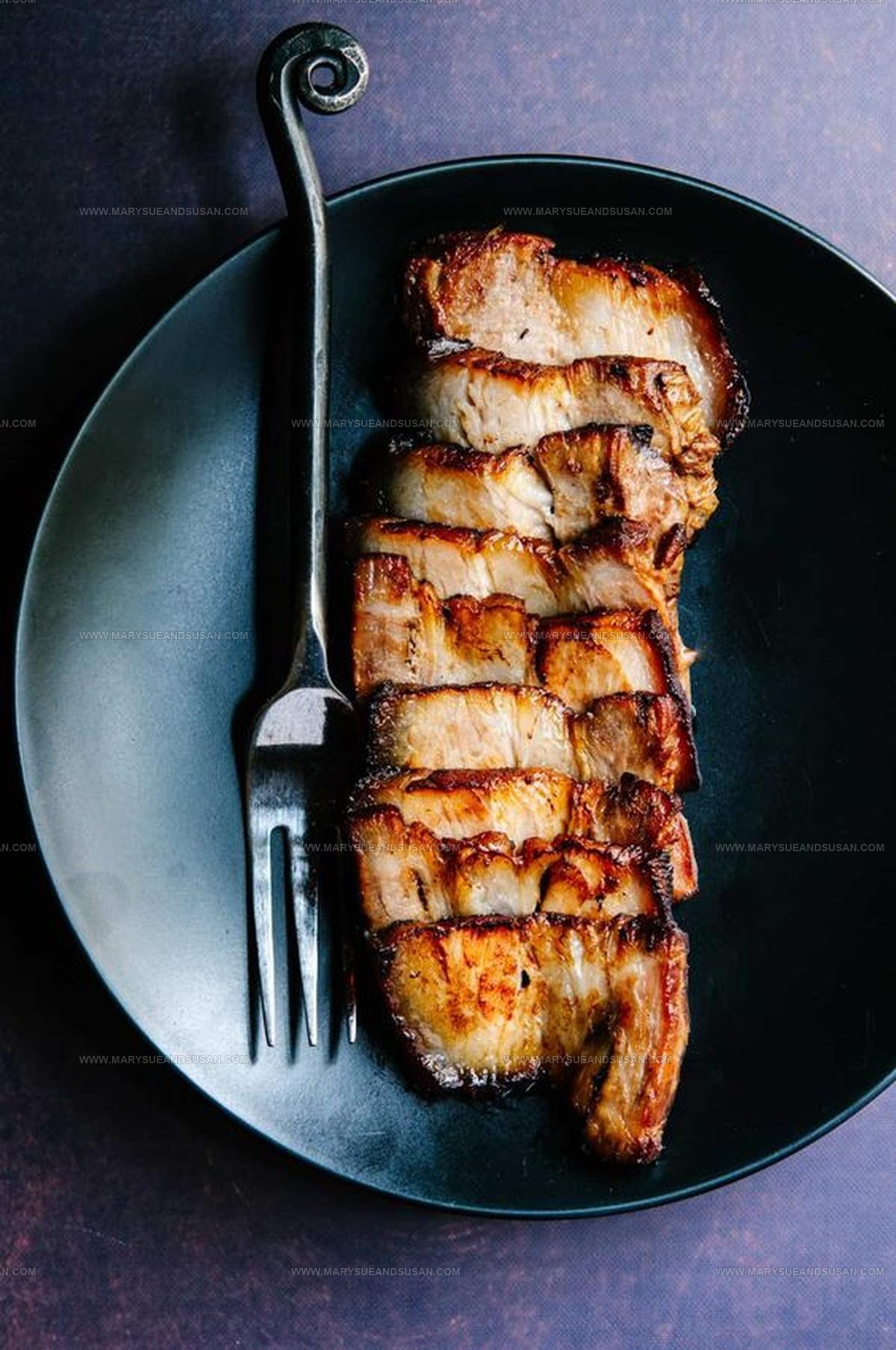
Braised Chashu Pork Recipe for Tender Japanese-Style Meat

Braised chashu pork is one of those dishes that feels like pure comfort on a plate, rich with deep savory flavors and melt-in-your-mouth tenderness.
Originally made famous by ramen shops across Japan, it has become a beloved staple in home kitchens around the world.
The slow cooking process breaks down tough cuts into something extraordinarily succulent, making every bite feel special.
What makes it so appealing is how it manages to be both impressive and surprisingly approachable for home cooks.
Serving it brings warmth to any meal, whether as a topping or as a main course.
When you master the technique, it becomes a go-to favorite that never disappoints.
Perfect for cozy dinners or when something truly satisfying is in order, it delivers every single time.
What Makes Chashu Pork a Go-To Favorite
What Goes Into Chashu Pork
Main Protein:Braising Liquid:Aromatic Enhancers:Sweetening and Optional Spice:Essential Tools for Chashu Pork
How to Prepare Chashu Pork Step by Step
Create the Flavor Base
Grab a large pot and toss in these ingredients to build a mouth-watering braising liquid:
Prepare the Pork
Carefully lower the 1 lb pork belly into the bubbling liquid. Make sure the meat is completely covered by the flavorful broth.
Slow and Gentle Cooking
Turn the heat down to a super low setting, around 180°F. Cover the pot with a tight-fitting lid and let the pork simmer for 2 hours and 30 minutes. You want the meat to get so tender that a fork glides through it like butter.
Rest and Cool
Pull the pork out of the liquid and let it sit for about 10 minutes. This helps the meat firm up slightly and makes slicing easier.
Slice with Precision
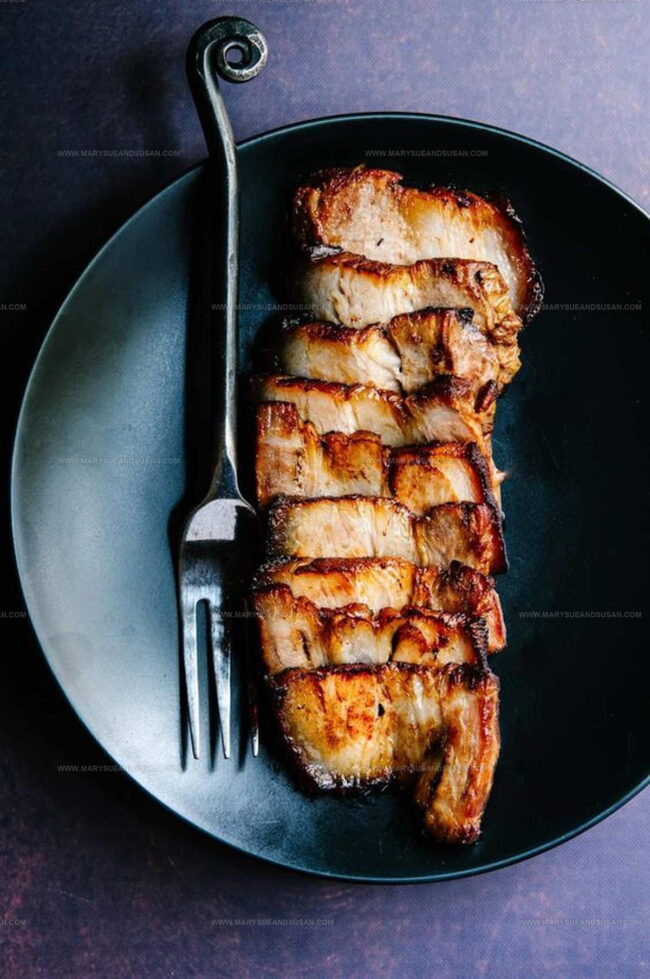
Grab a sharp knife and slice the pork belly against the grain into thin, elegant pieces about 1/4 inch thick.
Serve and Enjoy
Arrange those beautiful pork slices over a steaming bowl of ramen or alongside some fluffy white rice. Each bite will be packed with rich, savory flavor that melts in your mouth.
Helpful Cooking Notes for Chashu Pork
Chashu Pork Flavor Ideas
What Are the Best Ways to Serve Chashu Pork?
Storage Notes for Chashu Pork
Chashu Pork Reader Q&A
What makes chashu pork different from other braised meats?
Chashu pork stands out because of its deep, rich flavor from Japanese ingredients like sake and mirin, which create a unique sweet-savory profile that sets it apart from Western braising methods.
Can I substitute pork belly with another cut?
Pork belly is essential for authentic chashu because its fat content makes the meat incredibly tender and flavorful. Other cuts won’t deliver the same luxurious texture and taste.
Is star anise mandatory in the recipe?
Star anise adds wonderful depth, but if you cannot find it, the dish will still taste delicious. The other ingredients like soy sauce, sake, and ginger will carry robust flavor.
How thin should I slice the chashu?
Aim for slices about 1/4 inch thick. Thin slices make the meat easier to eat and help distribute the delicious braising liquid’s flavor across each piece.
Can this be prepared ahead of time?
Absolutely! Chashu actually tastes better when the flavors have time to meld. You can store the cooked pork in its braising liquid for 3-4 days in the refrigerator.
Braised Chashu Pork Recipe
- Total Time: 2 hours 10 minutes – 3 hours 10 minutes
- Yield: 4 1x
Description
Chashu Pork melts into tender, rich slices that make ramen bowls sing with authentic Japanese flavor. Slow-braised pork belly becomes a mouthwatering centerpiece when seasoned with soy sauce, sake, and delicate spices.
Ingredients
Main Ingredients:
- 1 lb pork belly
Supporting Liquids:
- 2 cups water
- ½ cup soy sauce
- ¼ cup sake
- ¼ cup mirin
Aromatics and Seasonings:
- 3 cloves garlic
- 2 slices ginger
- 2 green onions
- 2 tablespoons sugar
- 1 star anise
Instructions
- Mix 2 cups water, ½ cup soy sauce, ¼ cup sake, ¼ cup mirin, 3 crushed garlic cloves, 2 ginger slices, 2 chopped green onions, 2 tbsp sugar, and 1 star anise in a large pot. Heat until the liquid reaches a rolling boil at 212°F.
- Carefully lower your entire 1 lb pork belly into the bubbling liquid, ensuring it’s completely submerged and covered by the cooking broth.
- Decrease the stovetop temperature to low (around 190°F), cover the pot with a tight-fitting lid, and allow your pork to simmer gently for 2.5 hours until the meat becomes exceptionally soft and can be easily pierced with a fork.
- Carefully extract the pork from the braising liquid using tongs, transferring it to a clean cutting board and letting it rest for 10-15 minutes to stabilize its internal temperature.
- Using a sharp knife, slice the pork belly into thin, uniform pieces approximately ¼-inch thick, cutting against the natural meat grain for maximum tenderness.
- Arrange your delicate chashu pork slices alongside steaming ramen or atop a bed of fluffy rice, ready to be enjoyed.
Notes
- Letting the pork cool slightly before slicing helps keep the meat juicy and prevents it from falling apart.
- Saving the braising liquid as a flavor-packed stock adds depth to other dishes like ramen or stir-fries.
- For a leaner version, swap pork belly with pork loin, though the meat will be less tender and rich.
- Wrapping the pork tightly in plastic wrap after cooking and chilling helps create clean, even slices with a more compact texture.
- Prep Time: 10 minutes
- Cook Time: 2-3 hours
- Category: Pork
- Method: Simmering
- Cuisine: Japanese
Nutrition
- Serving Size: 4
- Calories: 494 kcal
- Sugar: 11 g
- Sodium: 1560 mg
- Fat: 42 g
- Saturated Fat: 14 g
- Unsaturated Fat: 26 g
- Trans Fat: 0.3 g
- Carbohydrates: 7 g
- Fiber: 0.5 g
- Protein: 15 g
- Cholesterol: 70 mg
Susan Whitaker
Content Specialist & Home Cooking Guide
Expertise
Family-friendly Meals, Simple Healthy Cooking, Ingredient Substitutions, Beginner-friendly Recipes, Flexible Meal Prep
Education
Susan is the steady, practical guide at Mary Sue & Susan, bringing clarity, structure, and a warm sense of encouragement to every recipe she touches. Susan joined the site with a simple goal: help people cook with more confidence and less guesswork.