
Caramelized Vietnamese Pork Recipe with Bold Savory Flavors

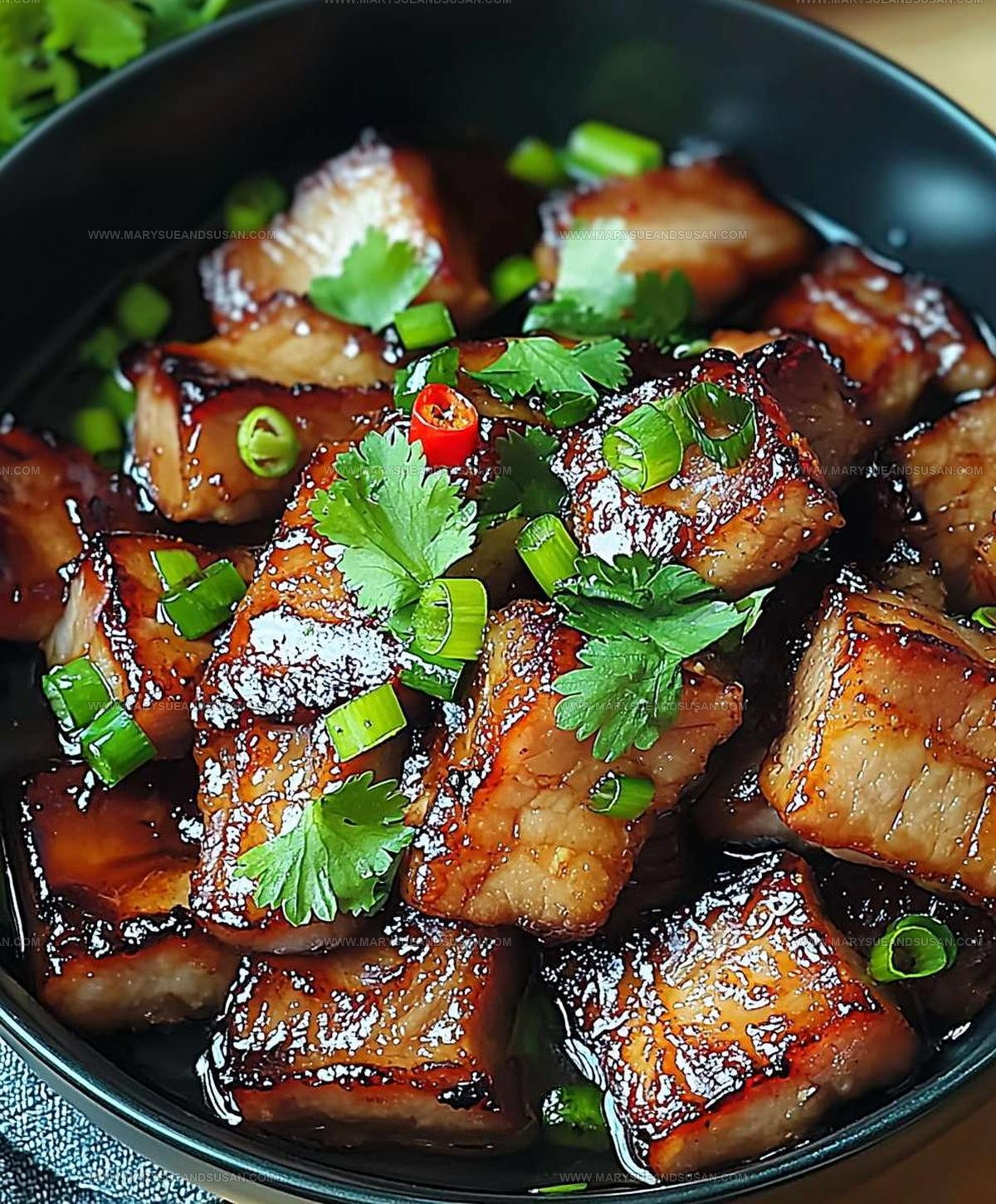
Caramelized Vietnamese pork recipe harmonizes savory and sweet notes in one of Southeast Asia's most beloved comfort foods.
Known locally as thịt kho, it has been passed down through generations as a family favorite that appears at everyday meals and special gatherings alike.
The deep amber glaze develops slowly, creating layers of flavor that feel both rich and balanced.
Every bite offers a satisfying contrast between tender protein and sticky coating that clings just right.
Preparation is surprisingly straightforward, making it accessible even when you crave something that tastes complex and authentic.
Serve it over steamed rice to soak up every drop of sauce, or pair it with fresh vegetables for a complete meal.
What makes it truly special is how effortlessly it delivers bold flavor without demanding hours in the kitchen or hard-to-find equipment.
Flavor-Packed Reasons to Cook Caramelized Vietnamese Pork
What Goes Into Caramelized Vietnamese Pork
Meat:Aromatic Base:Seasoning and Sauce:Cooking Liquid:Garnish:What Tools Cook Vietnamese Caramelized Pork
Step by Step Instructions for Caramelized Vietnamese Pork
Prepare Pork
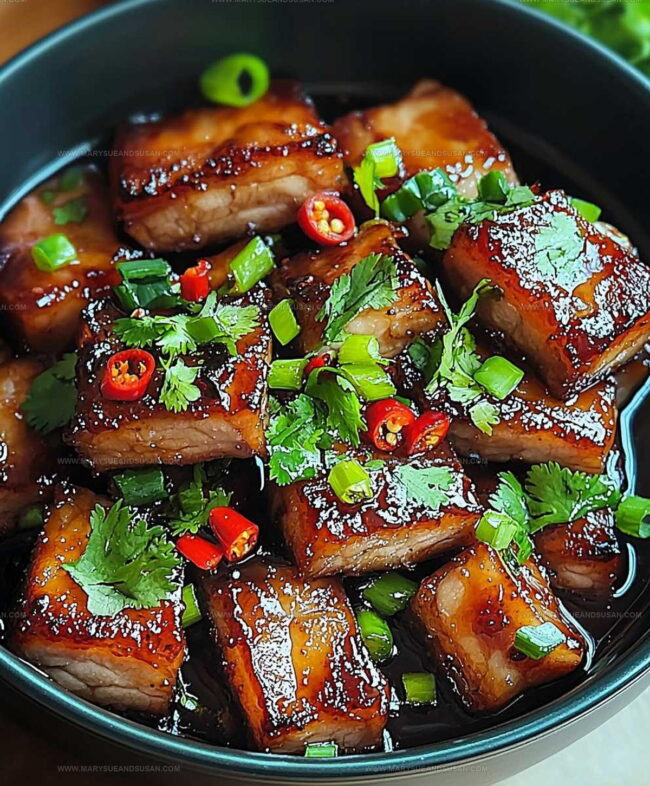
Grab those 2 pounds of pork shoulder and pat each cube dry with paper towels. Getting the surface dry helps create that perfect golden-brown sear.
Sear Pork Pieces
Heat 2 tablespoons vegetable oil in a large pot at 375°F. Drop pork cubes into the hot oil in batches so they’re not crowded. Sear each batch for 2-3 minutes per side until they’re beautifully browned. Pull out the seared pieces and set them aside.
Soften Onions
Lower the heat to medium. Toss in the sliced onion and cook for 5-7 minutes until they’re soft and see-through.
Add Aromatics
Sprinkle the minced garlic and ginger into the pot. Stir around for about 1 minute until the kitchen fills with an amazing fragrance.
Caramelize Sugar
Push the onions to one side and drop 1/2 cup granulated sugar into the center of the pot. Let it melt slowly at medium heat until it turns a deep amber color. Keep a close eye to prevent burning.
Create Caramel Sauce
When the sugar reaches a rich amber shade, carefully pour in 1/4 cup fish sauce. Quickly stir to blend the fish sauce with the caramelized sugar.
Add Sauces
Pour in 2 tablespoons soy sauce and 1 tablespoon dark soy sauce. Mix everything together thoroughly.
Combine Pork and Sauce
Return the seared pork to the pot. Coat each piece completely with the caramel sauce.
Season the Dish
Sprinkle in 1 teaspoon black pepper and 1/2 teaspoon red pepper flakes. Stir to distribute the seasonings evenly.
Add Liquid
Pour 2 cups of water or chicken broth into the pot. The liquid should almost cover the pork pieces.
Simmer Pork
Bring the mixture to a simmer over medium heat. Once bubbling, reduce to low, cover the pot, and let it cook for 2-3 hours until the pork becomes super tender.
Monitor Liquid
Check the pot occasionally. If the liquid disappears too quickly, splash in a bit more water or broth.
Reduce Sauce
Take off the lid and crank the heat to medium. Let the sauce simmer and reduce for 20-30 minutes until it becomes thick and glaze-like. Stir frequently to prevent sticking.
Final Taste Check
Sample the sauce and adjust seasonings if needed.
Serve and Garnish
Spoon the caramelized pork over hot rice. Top with sliced green onions, and add cilantro or pickled vegetables if you’d like.
Which Tips Perfect Vietnamese Caramelized Pork
What Are the Best Caramelized Vietnamese Pork Variations
Simple Serving Ideas for Vietnamese Pork
Best Storage Tips for Caramelized Vietnamese Pork
Caramelized Vietnamese Pork Recipe Common Questions
What makes the caramel sauce so special?
The caramel sauce develops deep, rich flavors by carefully melting sugar until it reaches a deep amber color, then combining it with fish sauce for an incredible Vietnamese-style coating.
Can other cuts of pork work for this recipe?
Pork shoulder is best because its fat content keeps the meat tender during long, slow cooking, but you could substitute pork belly or country-style ribs if needed.
How do I know when the pork is perfectly cooked?
The pork should shred easily with a fork after 2-3 hours of gentle simmering, indicating it’s reached the ideal tenderness.
Is fish sauce mandatory for authentic flavor?
Fish sauce provides an essential umami depth that cannot be replicated, so try to use authentic Vietnamese fish sauce for the most traditional taste.
What if my caramel starts to burn?
Remove the pot from heat immediately if the sugar turns dark brown or smells burnt, and start over with fresh sugar to prevent bitter flavors.
How spicy does this dish become?
The red pepper flakes add mild heat, but you can adjust the quantity or omit them completely to control the spice level according to your preference.
Caramelized Vietnamese Pork Recipe
- Total Time: 2 hours 55 minutes
- Yield: 6 1x
Description
Caramelized Vietnamese Pork brings a delightful taste of Hanoi right to your kitchen table. Tender meat sizzles with a sweet-savory glaze that makes dinner feel like a special culinary adventure.
Ingredients
Meat:
- 2 pounds pork shoulder, cut into 1-inch cubes
Aromatics:
- 1 large onion, thinly sliced
- 4 cloves garlic, minced
- 1-inch piece of ginger, peeled and minced
- 2 green onions, thinly sliced, for garnish
Seasonings and Liquids:
- ½ cup granulated sugar
- ¼ cup fish sauce
- 2 tablespoons vegetable oil
- 2 tablespoons soy sauce
- 1 tablespoon dark soy sauce
- 2 cups water or chicken broth
- 1 teaspoon black pepper
- ½ teaspoon red pepper flakes
Instructions
- Pat 2 pounds of pork shoulder cubes completely dry using paper towels to ensure perfect browning.
- Heat 2 tablespoons vegetable oil in a large pot over medium-high heat at 375°F. Brown pork cubes in batches for 2-3 minutes per side without overcrowding.
- Reduce heat to medium. Sauté 1 large thinly sliced onion for 5-7 minutes until softened and translucent.
- Add 4 minced garlic cloves and 1-inch minced ginger. Cook for 1 minute until fragrant.
- Create caramel by adding ½ cup sugar to pot’s center. Allow sugar to melt undisturbed until deep amber color develops, watching closely to prevent burning.
- Pour ¼ cup fish sauce into caramelized sugar, stirring quickly to combine and prevent crystallization.
- Mix in 2 tablespoons soy sauce and 1 tablespoon dark soy sauce. Stir thoroughly to incorporate.
- Return seared pork to pot, coating completely with caramel sauce.
- Sprinkle 1 teaspoon black pepper and ½ teaspoon red pepper flakes over meat.
- Add 2 cups water or chicken broth, ensuring liquid nearly covers pork.
- Simmer at 225°F for 2-3 hours with lid on, until pork becomes extremely tender and easily shreds.
- Check liquid levels periodically, adding extra broth if pot becomes too dry.
- Remove lid and increase heat to medium. Reduce sauce for 20-30 minutes until thick and glaze-like, stirring frequently.
- Taste sauce and adjust seasoning as needed.
- Plate over cooked rice, garnishing with 2 thinly sliced green onions, fresh cilantro, and pickled vegetables.
Notes
- Pat the meat completely dry before searing to ensure beautiful caramelization and prevent steaming instead of browning.
- Watch the caramel stage carefully since sugar can quickly burn and create bitter flavors when left unattended.
- For a lighter version, trim excess fat from the pork shoulder and use low-sodium soy sauce to reduce overall calorie content.
- When shredding the meat, use two forks to pull apart the tender pieces and distribute the rich caramel sauce evenly throughout the dish.
- Prep Time: 10 minutes
- Cook Time: 2 hours 45 minutes
- Category: Pork
- Method: Simmering
- Cuisine: Vietnamese
Nutrition
- Serving Size: 6
- Calories: 433 kcal
- Sugar: 26 g
- Sodium: 1200 mg
- Fat: 23 g
- Saturated Fat: 7 g
- Unsaturated Fat: 15 g
- Trans Fat: 0 g
- Carbohydrates: 19 g
- Fiber: 1 g
- Protein: 38 g
- Cholesterol: 110 mg
Susan Whitaker
Content Specialist & Home Cooking Guide
Expertise
Family-friendly Meals, Simple Healthy Cooking, Ingredient Substitutions, Beginner-friendly Recipes, Flexible Meal Prep
Education
Susan is the steady, practical guide at Mary Sue & Susan, bringing clarity, structure, and a warm sense of encouragement to every recipe she touches. Susan joined the site with a simple goal: help people cook with more confidence and less guesswork.