
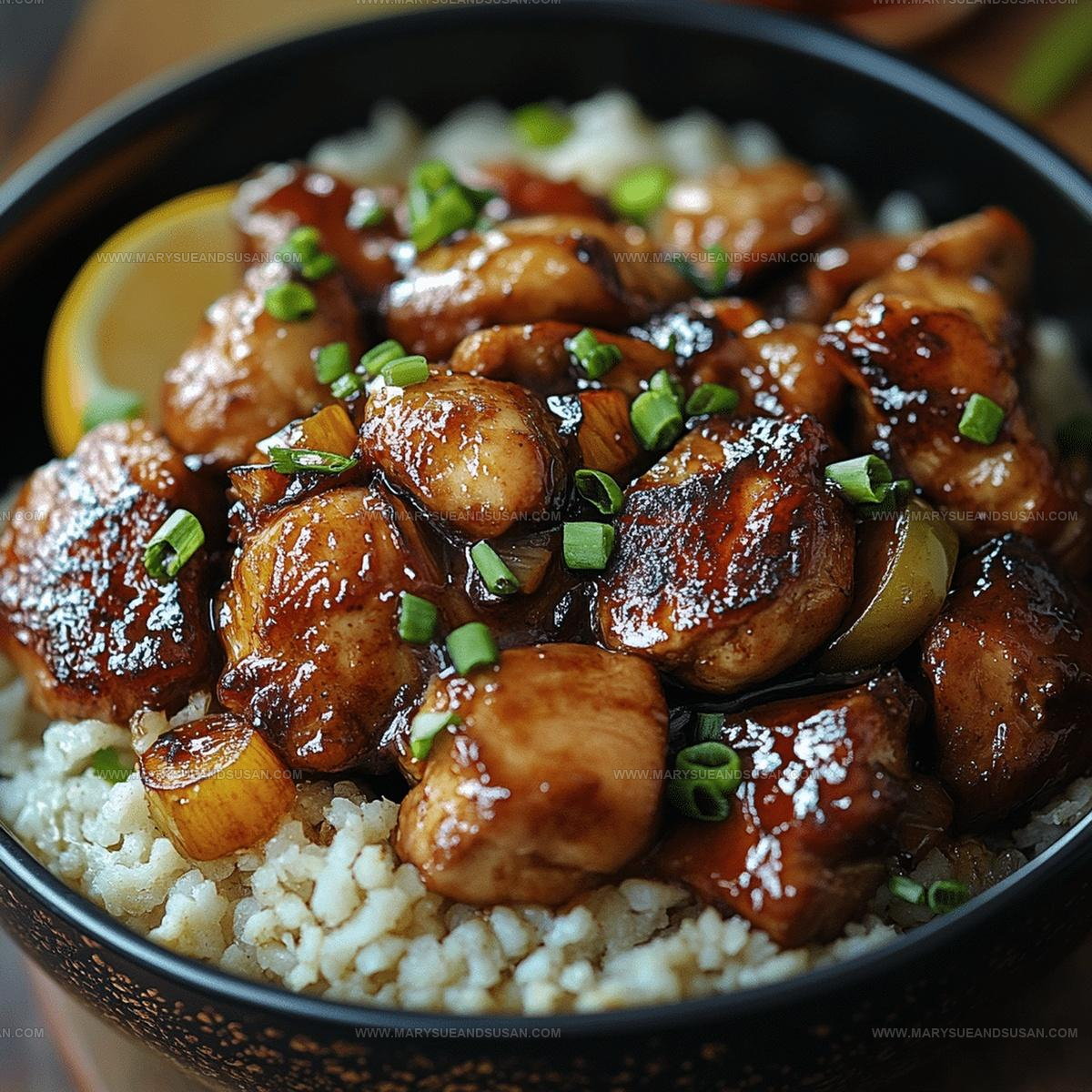
Recipe for Tender Filipino Chicken Adobo with Savory Garlic Sauce

Flavorful Filipino Chicken Adobo is one of those dishes that manages to be both comforting and exciting at the same time.
Balancing savory, slightly sweet, and beautifully rich notes, it has won over countless fans far beyond the Philippines.
What makes it special is how effortlessly it comes together while delivering bold, satisfying flavors in every bite.
Families have been passing down versions of it for generations, and it remains a weeknight favorite that feels just as appropriate for company.
Even on busy days, when time is tight and energy is low, it delivers without demanding too much effort.
The aroma alone has a way of drawing everyone to the table with genuine anticipation.
If you want a dish that feels like a warm hug but still keeps things interesting, here's exactly where to begin.
Highlights of Filipino Chicken Adobo
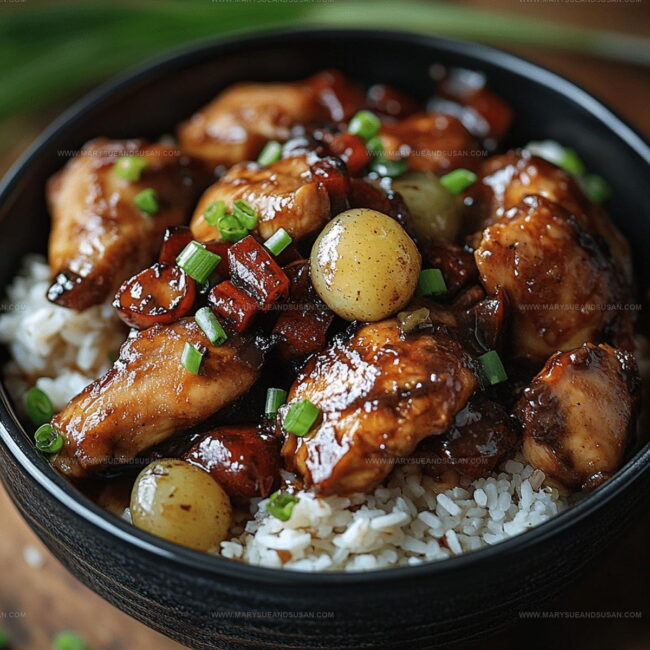
Chicken Adobo Ingredients Overview
Main Protein:Sauce Builders:Flavor Enhancers:Garnish:Essential Tools for Filipino Chicken Adobo
Filipino Chicken Adobo Cooking Process From Start to Finish
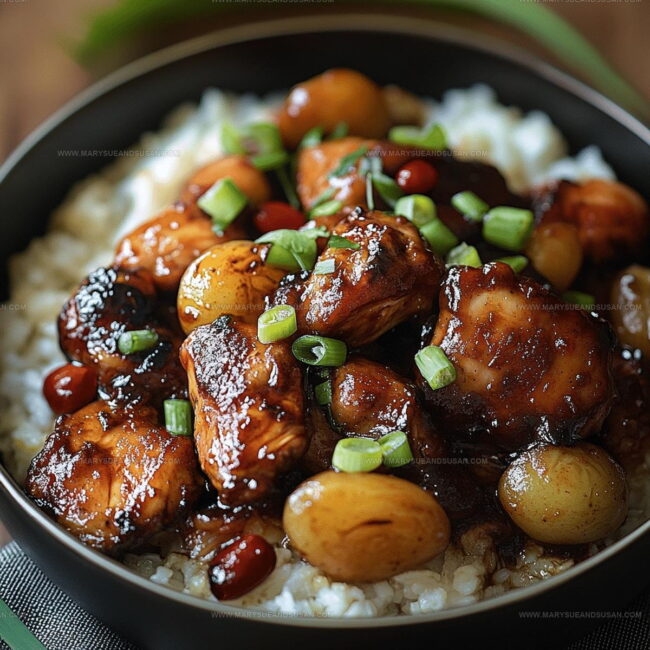
Prep the Stars
Grab those chicken thighs and chop them into bite-sized pieces that’ll soak up all the flavor. Your chicken is about to become something spectacular.
Build the Flavor Base
Heat a large skillet to medium heat (375°F). Toss in these flavor-packed ingredients:
Sauté until the kitchen starts smelling amazing and the onions turn translucent.
Chicken Dance Time
Slide the chicken into the skillet and get ready for a flavor explosion. Pour in these magic makers:
Stir everything together so each piece of chicken gets coated perfectly.
Slow and Steady Simmer
Cover the skillet and let everything bubble gently at a low heat (325°F) for 25-30 minutes. Flip the chicken halfway through to ensure every bite is tender and packed with flavor.
Sauce Transformation
Remove the lid and crank the heat to medium-high (400°F). Watch the sauce magically transform into a thick, glossy glaze that hugs each piece of chicken. This takes about 5-7 minutes.
Final Touches
Pull out those bay leaves – they’ve done their job. Sprinkle some chopped green onions on top for a fresh crunch. Serve this beauty over steamed rice and get ready for some serious flavor happiness.
Which Are the Best Tips for Filipino Chicken Adobo
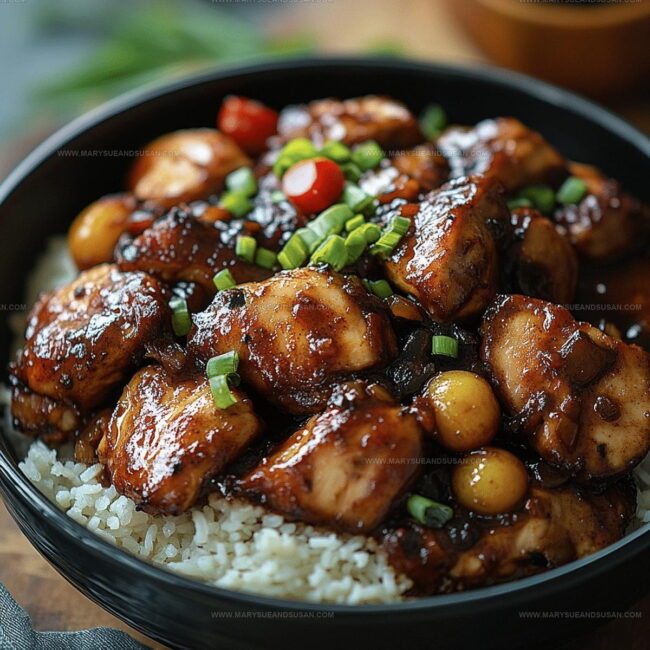
Filipino Chicken Adobo with Bold Flavor Twists
Best Ways to Serve Filipino Chicken Adobo
How to Store Filipino Chicken Adobo
Filipino Chicken Adobo Reader Questions
What gives adobo its signature tangy flavor?
The combination of vinegar and soy sauce creates the classic sharp, bold taste that makes Filipino chicken adobo so distinctive.
Can I use chicken breasts instead of thighs?
Thighs work best because they stay juicier and absorb more sauce, but boneless chicken breasts can work if you’re careful not to overcook them.
Do I really need bay leaves?
Bay leaves add a subtle depth that enhances the overall flavor, but if you don’t have them, the dish will still taste great without them.
How spicy does this chicken get?
The recipe isn’t inherently spicy, but you can add red pepper flakes or chopped chili peppers if your taste buds want some heat.
What type of vinegar works best?
White vinegar or apple cider vinegar are traditional, but rice vinegar also creates an excellent flavor profile for your adobo.
Is this dish gluten-free?
Standard soy sauce contains gluten, so you’ll need to use a gluten-free soy sauce alternative to make the recipe completely gluten-free.
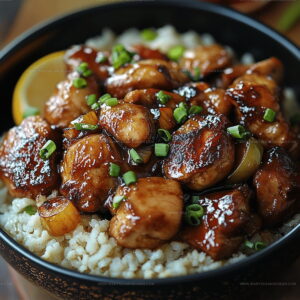
Flavorful Filipino Chicken Adobo Recipe
- Total Time: 1 hour 5 minutes – 1 hour 10 minutes
- Yield: 4 1x
Description
Chicken Adobo brings sizzling Filipino flavor straight to your kitchen with tangy vinegar and soy sauce dancing around tender meat. Slow-simmered to perfection, this classic dish delivers comfort and bold taste that connects you directly to Philippine culinary traditions.
Ingredients
Proteins:
- 1 lb boneless, skinless chicken thighs
Liquids and Seasonings:
- ½ cup soy sauce
- ⅓ cup white vinegar
- 1 tablespoon brown sugar
Aromatics and Herbs:
- 1 medium onion
- 4 cloves garlic
- 1 teaspoon whole peppercorns
- 2 bay leaves
- 1 green onion
Instructions
- Grab your 1 lb of boneless chicken thighs and chop 1 medium onion and 4 garlic cloves for maximum flavor punch.
- Pour ½ cup soy sauce and ⅓ cup white vinegar into a bowl, mixing with 1 tablespoon brown sugar and whole peppercorns to create your marinade.
- Heat 1 tablespoon oil in a large skillet at medium heat (375°F), then sauté your chopped onions and garlic until they become translucent and fragrant, about 3-4 minutes.
- Add chicken thighs directly into the skillet, then pour your prepared marinade over them, ensuring each piece gets coated with the liquid mixture.
- Drop 2 bay leaves into the skillet, then cover and reduce heat to low (250°F), allowing chicken to simmer gently for 30 minutes, turning pieces halfway through cooking.
- Remove lid and increase heat to medium-high (400°F), letting sauce reduce and caramelize around chicken for 8-10 minutes until it transforms into a glossy, thick glaze.
- Remove bay leaves, transfer chicken to a serving plate, and if desired, sprinkle 1 thinly sliced green onion on top for a fresh garnish.
- Serve immediately alongside steamed rice, letting the rich, tangy sauce complement your perfectly cooked chicken.
Notes
- Marinate the chicken longer for deeper, more complex flavors that penetrate the meat completely.
- Let the sauce reduce slowly to develop a rich, glossy coating that caramelizes beautifully around the chicken.
- For a lighter version, swap chicken thighs with chicken breasts, but be careful not to overcook and dry out the meat.
- Consider adding a splash of coconut milk for a creamy twist that softens the tangy vinegar notes and creates a smoother sauce.
- Prep Time: 30 minutes
- Cook Time: 35-40 minutes
- Category: Chicken
- Method: Simmering
- Cuisine: Filipino
Nutrition
- Serving Size: 4
- Calories: 210 kcal
- Sugar: 5 g
- Sodium: 1100 mg
- Fat: 8 g
- Saturated Fat: 2 g
- Unsaturated Fat: 6 g
- Trans Fat: 0 g
- Carbohydrates: 7 g
- Fiber: 1 g
- Protein: 27 g
- Cholesterol: 90 mg
Susan Whitaker
Content Specialist & Home Cooking Guide
Expertise
Family-friendly Meals, Simple Healthy Cooking, Ingredient Substitutions, Beginner-friendly Recipes, Flexible Meal Prep
Education
Susan is the steady, practical guide at Mary Sue & Susan, bringing clarity, structure, and a warm sense of encouragement to every recipe she touches. Susan joined the site with a simple goal: help people cook with more confidence and less guesswork.