
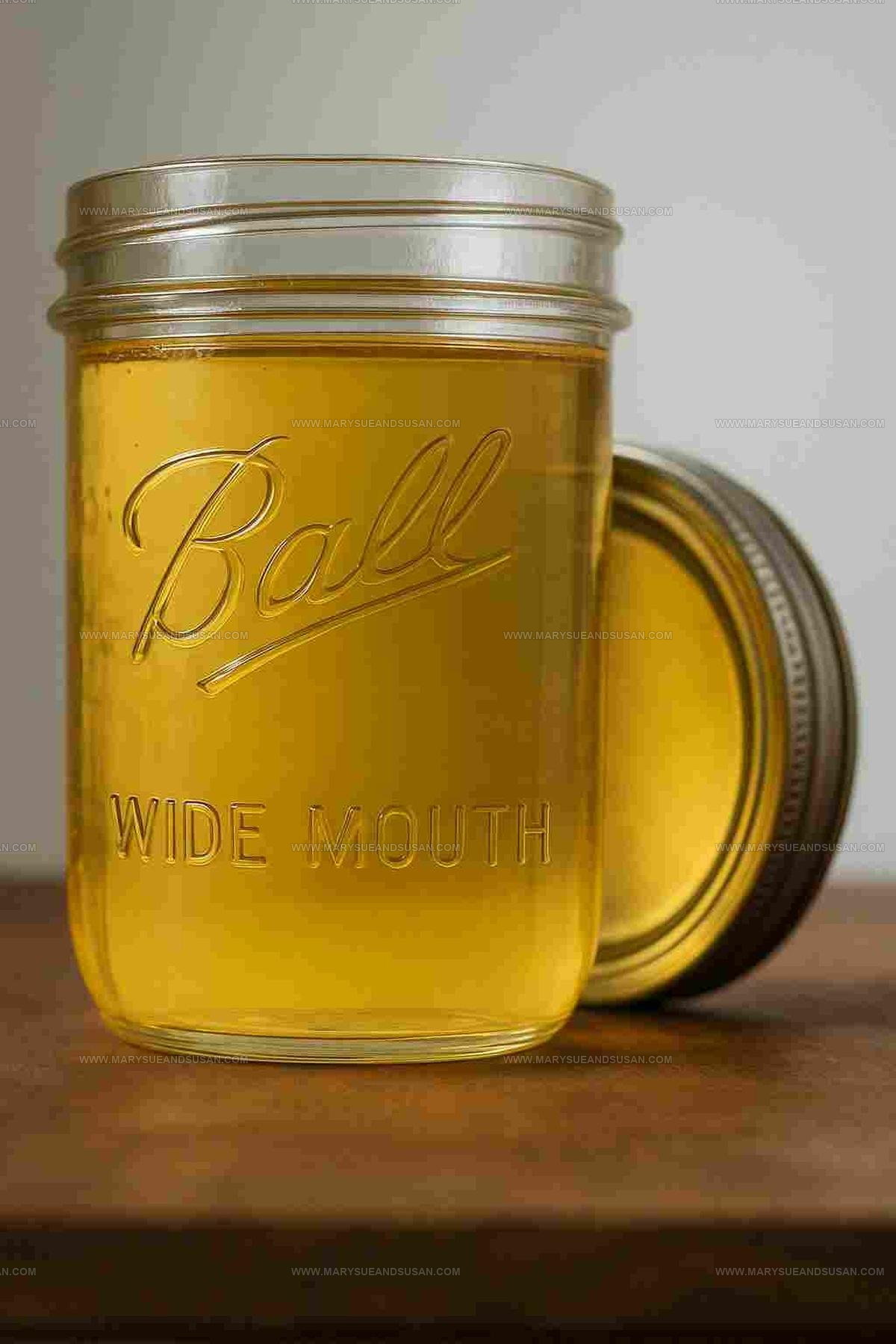
Rendered Beef Tallow Recipe for Traditional Cooking Fat

Beef tallow represents a traditional cooking fat with remarkable versatility and rich culinary heritage.
Home cooks have rediscovered this classic ingredient as a premium alternative to standard cooking oils.
Rendering beef fat at home transforms ordinary kitchen practices into something extraordinary and nostalgic.
Sustainable cooking methods embrace this nutrient-dense ingredient that connects modern meal preparation with time-honored traditions.
Why Homemade Beef Tallow Is Surprisingly Useful
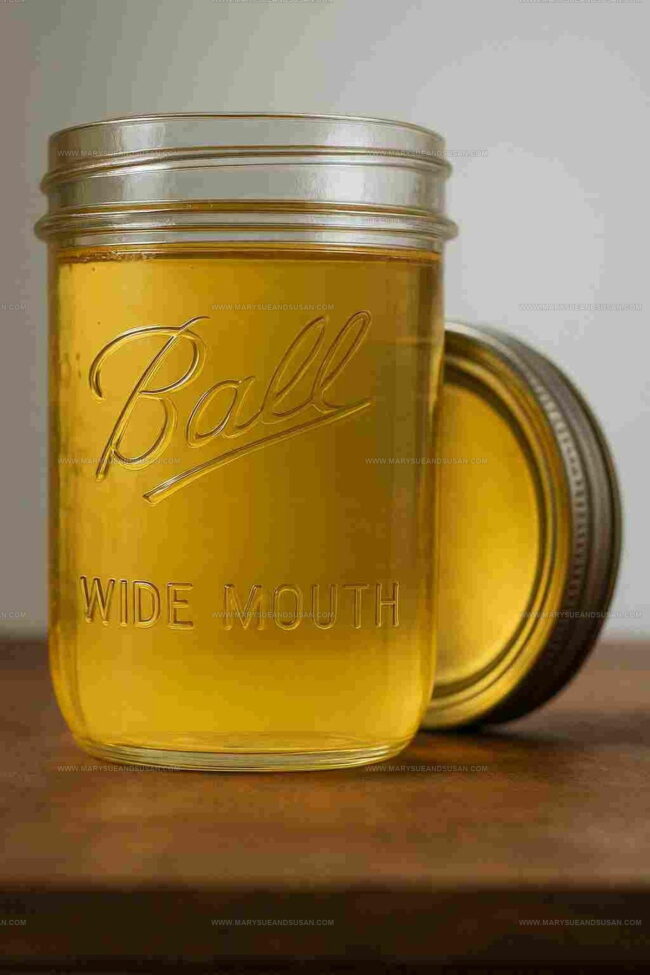
Ingredient Base of Homemade Beef Tallow
Main Ingredient:Supporting Liquid:Essential Kitchen Tools for Making Beef Tallow
The Process For Making Beef Tallow at Home
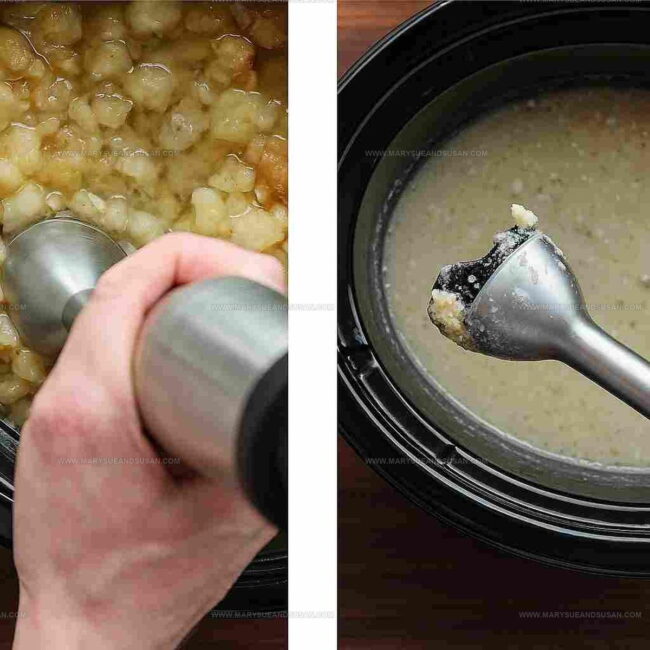
Prep the Fat
Grab those 4-5 pounds of beef fat (suet works best) and slice away any lingering meat or tough connective tissue. Chop the fat into small, consistent chunks so it melts down smoothly and evenly.
Set Up the Slow Cooker
Toss those fat chunks right into your slow cooker. Pour in 1 cup of water – this helps prevent burning during the first part of cooking.
Start the Rendering
Crank your slow cooker to high heat and leave the lid off. Give the fat a gentle stir every so often. You’ll watch the magic happen over several hours – the fat will melt into liquid gold and crispy golden cracklings will separate from the melted tallow.
Strain the Liquid Gold
Once the fat has completely liquefied and looks clear, carefully pour it through a cheesecloth-lined mesh strainer into clean heatproof containers. This catches all those little bits and keeps your tallow super clean.
Cool and Store
Let the tallow sit at room temperature until it turns solid. Pop a lid on and stash it in the fridge. This liquid treasure will keep for several months, ready for all your cooking adventures.
Smart Kitchen Notes For Homemade Beef Tallow
Different Takes on Homemade Beef Tallow
Best Serving Options for Homemade Beef Tallow
Best Storage Practices For Beef Tallow
Recipe Questions Explained for Making Beef Tallow at Home
What makes beef tallow different from other cooking fats?
Beef tallow is a pure animal fat with a high smoke point that delivers rich flavor and creates incredible crispy textures in cooking.
Can anyone make beef tallow at home?
Absolutely! With basic kitchen tools like a slow cooker and cheesecloth, rendering beef fat is straightforward for home cooks.
Where should beef fat be sourced from?
Choose high-quality fat trimmings from a trusted butcher or local farm, preferably grass-fed beef for best flavor and nutrition.
How long does homemade beef tallow last?
When stored properly in an airtight container in the refrigerator, beef tallow can maintain excellent quality for several months.
What are cracklings, and can they be eaten?
Cracklings are the crispy, browned bits left after rendering fat. They’re delicious as a savory snack or sprinkled over salads for extra crunch.
Is rendering fat messy?
The process requires patience and careful handling, but with proper preparation and a slow cooker, rendering becomes a clean and simple task.
Homemade Beef Tallow Recipe
- Total Time: 4 hours 15 minutes
- Yield: 4 1x
Description
Making beef tallow requires patience and simple kitchen skills you’ll master in no time. Rendering beef fat into a golden, pure cooking treasure happens easily when you follow basic techniques that turn leftover beef trimmings into a versatile culinary staple.
Ingredients
Main Ingredients:
- 4 lbs beef fat (preferably suet from around the kidneys)
Liquid Base:
- 1 cup water
Supporting Ingredients:
(None)
Instructions
- Carefully trim away any visible meat or connective tissue from 4-5 pounds of beef fat, ensuring only pure white fat remains for the best rendering process.
- Slice the cleaned fat into small, uniform 1-inch cubes to guarantee consistent and efficient melting throughout the cooking process.
- Transfer the fat cubes into a slow cooker and pour 1 cup of water across the pieces to prevent initial scorching and promote even heat distribution.
- Set your slow cooker to high temperature with the lid completely removed, allowing moisture to evaporate and fat to render smoothly.
- Stir the fat chunks every 45-60 minutes to help them break down and prevent sticking to the cooker’s bottom.
- Watch for golden-brown cracklings to form and the liquid to become clear, which typically takes 4-6 hours depending on your slow cooker.
- Position a mesh strainer lined with cheesecloth over a large heatproof container to capture the pure, liquid tallow while filtering out solid pieces.
- Carefully pour the hot rendered fat through the lined strainer, allowing it to drain completely without pressing on the solids.
- Let the tallow cool at room temperature until it becomes solid and opaque, which usually takes 2-3 hours.
- Cover the solidified tallow and store in the refrigerator, where it will keep fresh for up to 3 months.
Notes
- Check beef fat quality by choosing fresh, clean trimmings from a trusted butcher for the best-tasting tallow.
- Cutting fat into smaller, consistent pieces helps render more efficiently and prevents uneven melting.
- Low and slow is the key to getting clear, clean-tasting tallow without burning the fat or creating bitter flavors.
- Store tallow in glass jars with tight-fitting lids to maintain freshness and prevent absorption of other refrigerator odors.
- Prep Time: 15 minutes
- Cook Time: 4 hours
- Category: Beef
- Method: Slow Cooking
- Cuisine: American
Nutrition
- Serving Size: 4
- Calories: 1800 kcal
- Sugar: 0 g
- Sodium: 60 mg
- Fat: 200 g
- Saturated Fat: 80 g
- Unsaturated Fat: 90 g
- Trans Fat: 5 g
- Carbohydrates: 0 g
- Fiber: 0 g
- Protein: 0 g
- Cholesterol: 120 mg
Mary Sue
Founder & Creative Recipe Developer
Expertise
Comfort Food Twists, Seasonal Cooking, Creative Flavor Pairings, Easy Weeknight Dinners, Flexible Pantry Cooking
Education
Mary Sue is the playful, creative recipe mind behind Mary Sue & Susan, known for big flavor ideas, warm storytelling, and dishes that feel both comforting and a little unexpected. She has a talent for taking familiar meals and giving them just enough personality to make them memorable.