
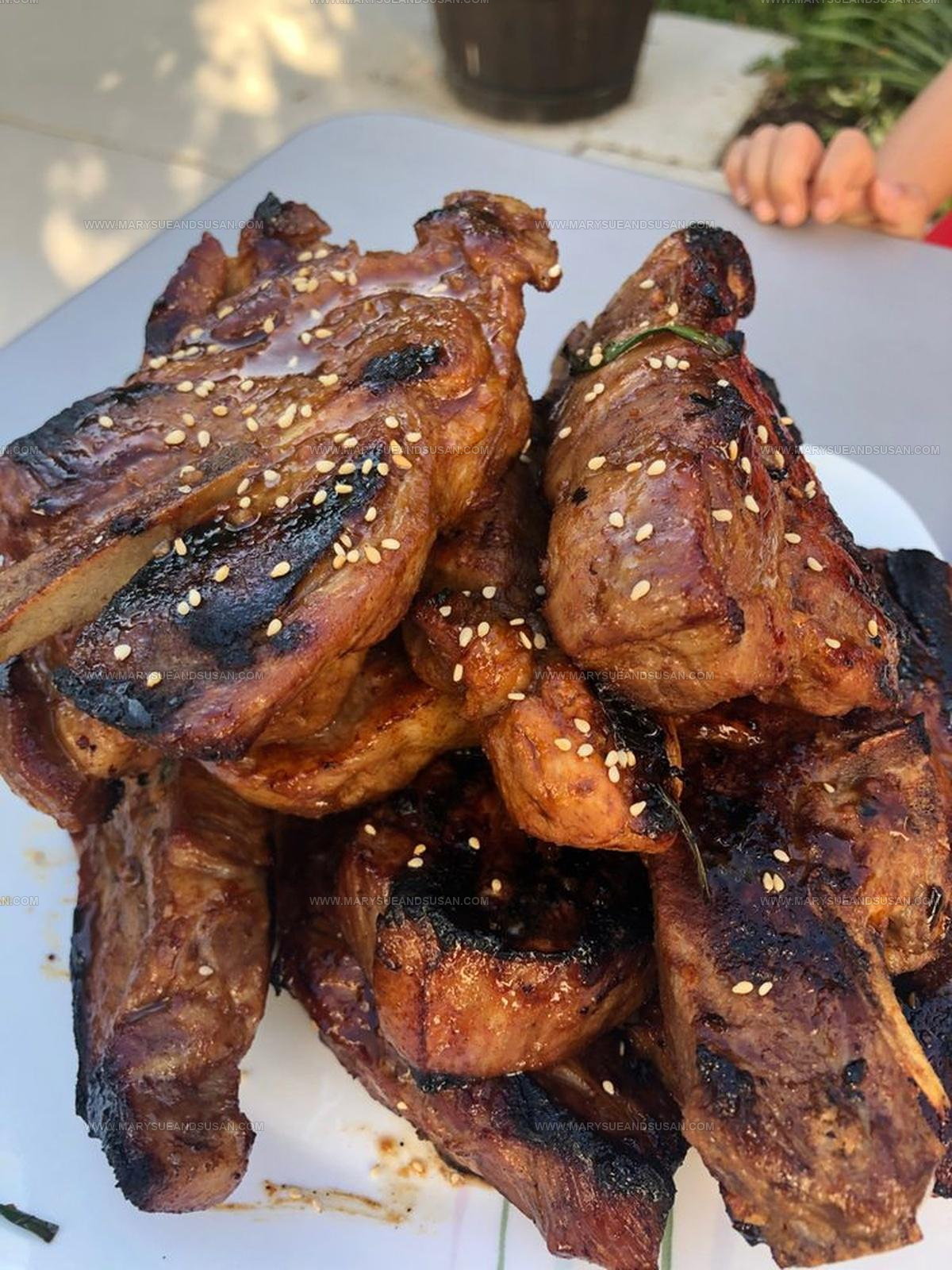
Korean Pork Ribs Recipe With Gochujang Glaze

Korean pork ribs deliver bold, savory-sweet flavors that have made them a standout favorite in homes and gatherings around the world.
The meat becomes incredibly tender while developing a gorgeous caramelized exterior that looks as impressive as it tastes.
Preparing this dish fills the kitchen with an aroma so mouthwatering that everyone gravitates toward the table before dinner is even served.
Perfect for weekend meals or special occasions, it works beautifully on the grill during warmer months and in the oven when cold weather calls for comfort food.
The balance of flavors appeals to both adventurous eaters and those just beginning to explore Korean cuisine.
You can serve it as a main course alongside simple sides or incorporate it into larger spreads.
What makes this recipe particularly appealing is how something so flavorful requires less effort than you might expect.
Your next memorable meal is just one recipe away.
Standout Features Of Korean Pork Ribs
Korean Pork Ribs Ingredient List
Main Meat Ingredient:Liquid Marinade Ingredients:Flavor Enhancers:Aromatic Ingredients:Everyday Kitchen Equipment for Korean Pork Ribs
Cooking Method for Korean Pork Ribs
Prep the Pot
Grab your slow cooker and nestle those 3 lbs of boneless country style pork ribs inside. They’ll be getting cozy for the next few hours.
Create the Flavor Base
In a small bowl, whip up the magic marinade by mixing these ingredients:
Stir everything until it’s well combined and looks super fragrant.
Pour and Cook
Drench your ribs completely with the marinade mixture. If your meat started frozen, set the slow cooker to high and let it cook for 6-8 hours. Got defrosted meat? Drop the temperature to low for the same cooking time.
Serve and Enjoy
Once those ribs are fall-apart tender, plate them up. A side of kimchi and sesame kelp noodles makes this meal seriously delicious. Your kitchen will smell amazing, and dinner is ready!
A Few Helpful Notes For Korean Pork Ribs
Flavor Options for Korean Pork Ribs
How To Serve Korean Pork Ribs
Recommended Storage Method for Korean Pork Ribs
Korean Pork Ribs Common Cooking Questions
What kind of ribs work best for this recipe?
Country-style pork ribs or baby back ribs are perfect. They stay tender and soak up all the delicious Korean-inspired sauce during slow cooking.
Can someone make this recipe without a crock pot?
Absolutely – use a Dutch oven and cook in the oven at 300°F for about 3-4 hours. Cover tightly and check liquid levels occasionally.
How spicy are these Korean pork ribs?
The sauce has a mild kick from gochujang or chili paste. If your family prefers less heat, reduce the amount of spicy ingredients or use a mild chili paste.
Do these ribs require any special preparation before cooking?
Trim excess fat and pat the meat dry before placing in the crock pot. This helps the sauce stick better and creates a more concentrated flavor.
What are some traditional Korean side dishes that pair well with these ribs?
Kimchi, steamed rice, sesame noodles, and pickled vegetables complement the rich, savory flavors perfectly.
Can someone freeze these ribs for later?
Cooked ribs freeze beautifully for up to 3 months. Wrap tightly in plastic wrap and store in a freezer-safe container.
Korean Pork Ribs Recipe
- Total Time: 6 hours 5 minutes to 8 hours 5 minutes
- Yield: 4 1x
Description
Sizzling Korean Pork Ribs deliver a mouthwatering explosion of sweet and spicy flavors straight from Seoul’s bustling street markets. Marinated in a tangy gochujang sauce and grilled to caramelized perfection, these ribs will make your backyard barbecue the talk of the neighborhood.
Ingredients
Main Ingredients:
- 3 lbs boneless country style pork ribs
Marinade:
- ½ cup coconut aminos
- ¼ cup sesame oil
- 2 tablespoons apple cider vinegar
- 1 tablespoon chili garlic sauce
- 1 tablespoon sweetener of choice
- ½ tablespoon ground ginger
Garnish:
- 8 cloves garlic
- 6 scallions
Instructions
- Transfer 3 lbs of boneless country style pork ribs into your slow cooker, arranging them evenly across the bottom.
- Whisk together ½ cup coconut aminos, ¼ cup sesame oil, 2 tbsp apple cider vinegar, 1 tbsp chili garlic sauce, 1 tbsp sweetener, ½ tbsp ground ginger in a mixing bowl until thoroughly combined.
- Slice 8 cloves of garlic and 6 scallions, then sprinkle them over the ribs.
- Pour the prepared sauce mixture directly over the ribs, ensuring each piece gets coated.
- If your meat is frozen, set slow cooker to high and cook for 6-8 hours, maintaining an internal temperature of 145°F.
- For defrosted ribs, reduce cooking temperature to low and cook for 6-8 hours until meat becomes tender and easily pulls apart.
- Check internal meat temperature reaches 145°F to guarantee safe consumption.
- Once finished, remove ribs from slow cooker and let rest for 10 minutes before serving with optional kimchi and sesame kelp noodles.
Notes
- Check the tenderness of the ribs around 6 hours to prevent overcooking, as slow cookers can vary in heat intensity.
- For a gluten-free version, swap soy sauce with tamari and ensure all other ingredients are certified gluten-free.
- Add a tablespoon of gochugaru (Korean red pepper flakes) to the sauce for an authentic kick of spice and deeper flavor.
- If kimchi isn’t available, serve with quick-pickled cucumbers or a simple Asian slaw to complement the rich pork ribs.
- Prep Time: 5 minutes
- Cook Time: 6-8 hours
- Category: Pork
- Method: Slow Cooking
- Cuisine: Korean
Nutrition
- Serving Size: 4
- Calories: 480
- Sugar: 3 g
- Sodium: 700 mg
- Fat: 35 g
- Saturated Fat: 8 g
- Unsaturated Fat: 26 g
- Trans Fat: 0 g
- Carbohydrates: 5 g
- Fiber: 1 g
- Protein: 35 g
- Cholesterol: 110 mg
Susan Whitaker
Content Specialist & Home Cooking Guide
Expertise
Family-friendly Meals, Simple Healthy Cooking, Ingredient Substitutions, Beginner-friendly Recipes, Flexible Meal Prep
Education
Susan is the steady, practical guide at Mary Sue & Susan, bringing clarity, structure, and a warm sense of encouragement to every recipe she touches. Susan joined the site with a simple goal: help people cook with more confidence and less guesswork.