
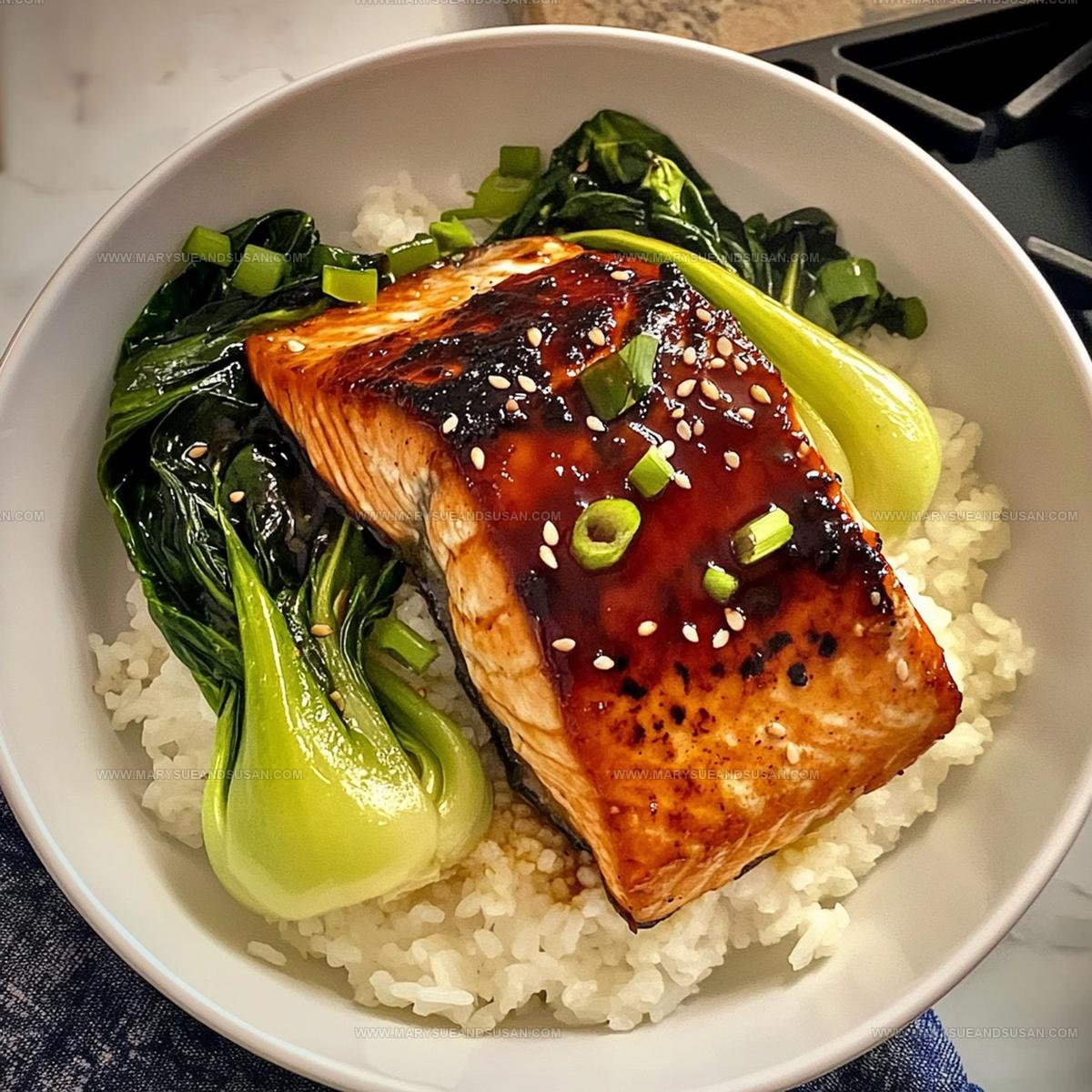
Miso-Glazed Salmon with Bok Choy Recipe

Miso-Glazed Salmon Recipe With Bok Choy Sides

Miso-glazed salmon with bok choy provides a restaurant-worthy meal that feels both elegant and comforting on any weeknight.

This dish balances rich, savory flavors with a touch of sweetness, creating a harmony that appeals to adventurous eaters and seafood lovers alike.

The simplicity of preparation makes it accessible even when time feels tight.

Each component shines on its own while working beautifully together on the plate.

The result is a satisfying dinner that looks impressive without demanding hours in the kitchen.

Whether you're cooking for yourself or hosting guests, this recipe hits all the right notes.

Why Miso Salmon with Bok Choy Has Flavor to Love
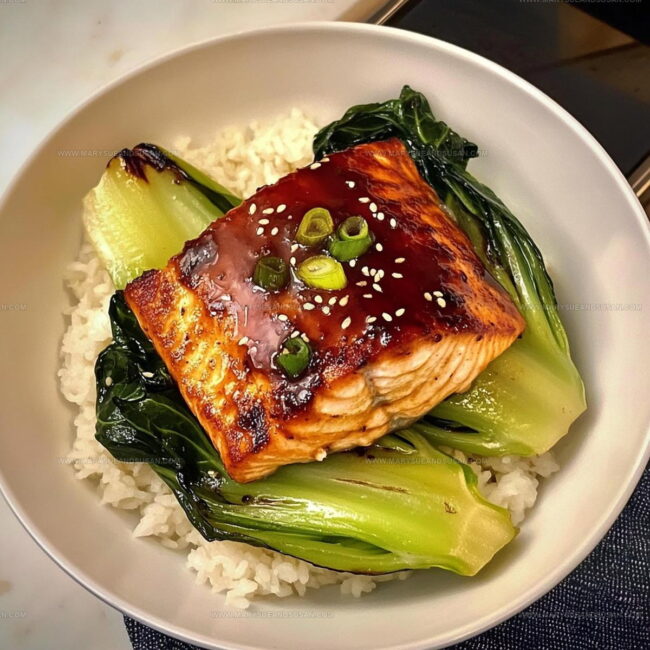
Why Miso Salmon with Bok Choy Has Flavor to Love
  • Quick Weeknight Dinner: This salmon comes together faster than takeout, giving your family a restaurant-quality meal without the hassle of ordering or waiting.
  • Nutrition Powerhouse: Packed with omega-3s from salmon and nutrients from bok choy, your dinner becomes a seriously healthy plate that tastes amazing.
  • Simple Elegant Cooking: With just a few ingredients and minimal prep, you can create a dish that looks like it came from a fancy restaurant kitchen without complicated techniques.
  • One-Pan Convenience: By using a single baking sheet and skillet, clean-up becomes super simple, which means more time enjoying dinner and less time scrubbing dishes.

What Goes Into Miso-Glazed Salmon with Bok Choy

Main Protein:
  • Salmon Fillets (4 pieces, approximately 6 oz each): Fresh, succulent fillets that form the star of your delicious meal. Choose high-quality, firm salmon for the best flavor and texture.
Glaze Ingredients:
  • White Miso Paste (3 tablespoons): Fermented soybean paste that brings deep, savory umami flavor to your salmon. Creates a rich, complex coating that elevates the fish.
  • Honey (2 tablespoons): Provides natural sweetness and helps caramelize the salmon’s surface. Balances the salty miso with gentle, smooth richness.
  • Low-Sodium Soy Sauce (2 tablespoons): Delivers a salty, traditional Asian seasoning that enhances the salmon’s natural taste. Keeps sodium levels in check.
  • Rice Vinegar (1 tablespoon): Introduces a subtle tangy brightness that cuts through the richness of the salmon. Creates a balanced, rounded flavor profile.
Aromatics and Seasonings:
  • Fresh Ginger (1 tablespoon, grated): Brings warm, zesty notes that complement the fish. Adds a gentle heat and complexity to the glaze.
  • Garlic Cloves (2, minced): Provides a pungent, aromatic base that deepens the overall flavor of the dish. Rounds out the glaze with its distinctive taste.
  • Sesame Oil (1 tablespoon): Contributes a nutty, toasted essence that is quintessentially Asian. Enhances the bok choy’s flavor when stir-frying.
Vegetable:
  • Bok Choy (2 cups, chopped): Crisp, tender green vegetable that offers a fresh counterpoint to the rich salmon. Packed with nutrients and a mild, slightly peppery flavor.

Miso-Glazed Salmon with Bok Choy: Cooking Tools

  • Baking Sheet (rimmed, half sheet size): Your go-to surface for roasting the salmon perfectly and catching any delicious glaze drips.
  • Parchment Paper: Essential for easy cleanup and preventing the salmon from sticking to the baking sheet.
  • Small Mixing Bowl: Perfect for whisking together your miso glaze ingredients smoothly and quickly.
  • Whisk or Fork: Great for blending the glaze ingredients until they combine into a silky, uniform mixture.
  • Pastry Brush: Helps you generously coat the salmon with the miso glaze, ensuring maximum flavor in every bite.
  • Skillet (10-12 inch): Ideal for quickly sautéing the bok choy and creating a crisp, tender green side.
  • Measuring Spoons: Ensures precise amounts of miso, honey, and other glaze ingredients for consistent flavor.
  • Sharp Chef’s Knife: Necessary for preparing ginger, garlic, and trimming the bok choy with precision.
  • Tongs: Perfect for flipping and serving the bok choy during stir-frying.
  • Spatula: Helps transfer the cooked salmon from the baking sheet to serving plates without breaking the fish.

Cooking Guide for Miso-Glazed Salmon with Bok Choy
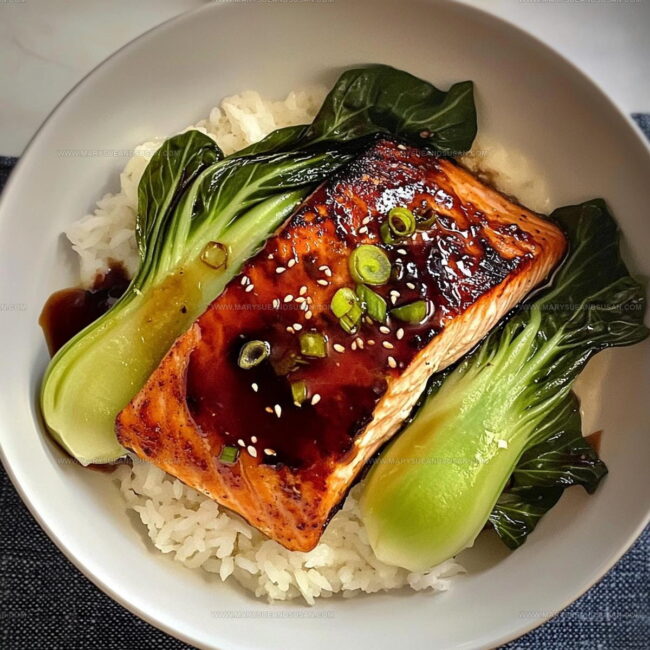
Cooking Guide for Miso-Glazed Salmon with Bok Choy
1

Prepare the Oven

Preheat your oven to exactly 400°F (200°C). Line a baking sheet with parchment paper for easy cleanup and to prevent sticking.

2

Create Miso Glaze

Grab a small bowl and whisk together these ingredients:

  • 3 tablespoons (45 ml) white miso paste
  • 2 tablespoons (30 ml) honey
  • 2 tablespoons (30 ml) low-sodium soy sauce
  • 1 tablespoon (15 ml) rice vinegar
  • 1 tablespoon (15 ml) freshly grated ginger
  • 2 minced garlic cloves

Stir until the mixture becomes completely smooth and glossy.

3

Prepare Salmon

Place your 4 salmon fillets (about 6 ounces or 170 grams each) skin-side down on the prepared baking sheet. Generously brush each fillet with the miso glaze, making sure to coat them evenly.

4

Bake the Salmon

Slide the baking sheet into the preheated oven. Bake for 12-15 minutes, checking that the salmon flakes easily when gently prodded with a fork.

5

Cook the Bok Choy

While the salmon bakes, heat 1 tablespoon (15 ml) sesame oil in a skillet over medium-high heat. Add 2 cups (about 170 grams) chopped bok choy and stir-fry for 4-5 minutes until the vegetables become tender but still retain a slight crunch.

6

Serve and Enjoy

Transfer the salmon to plates alongside the sautéed bok choy. Drizzle any remaining glaze over the top for an extra burst of flavor.

Cooking Details for Miso-Glazed Salmon with Bok Choy

  • Whisk the miso mixture thoroughly to ensure no lumps, creating a silky-smooth coating that clings perfectly to your salmon.
  • Keep the salmon skin-side down for a crispy bottom and even cooking, letting the glaze caramelize beautifully.
  • Test salmon’s readiness by gently pressing with a fork – when it flakes easily, your fish is perfectly cooked and won’t be dry.
  • Stir-fry your greens quickly to maintain their crisp texture and vibrant color, avoiding soggy vegetables.
  • Drizzle extra glaze over the plated dish for an extra punch of sweet-savory goodness that makes the whole meal sing.

Flavor Shifts for Miso-Glazed Salmon with Bok Choy

  • Teriyaki Twist: Swap miso paste for teriyaki sauce and keep everything else the same for a sweeter, classic Japanese-style salmon dinner.
  • Gluten-Free Option: Replace soy sauce with tamari to make the entire recipe safe for those avoiding gluten while maintaining the rich umami flavor.
  • Vegetarian Alternative: Substitute salmon with thick slices of extra-firm tofu, using the same miso glaze and baking method for a protein-packed plant-based meal.
  • Air Fryer Version: Cook salmon in an air fryer at 380°F for 8-10 minutes instead of baking, which creates a slightly crispier exterior and saves some cooking time.

How Miso-Glazed Salmon with Bok Choy Is Served

  • Plate with Purpose: Arrange salmon on a warm white plate with bok choy nestled alongside, creating a beautiful contrast that highlights the rich salmon color.
  • Rice Companion: Serve over steamed jasmine or brown rice to catch the delicious miso glaze and make the meal more substantial.
  • Wine Selection: Choose a crisp, light white wine like Pinot Grigio or a dry Riesling to complement the salmon’s savory-sweet glaze.
  • Garnish Gracefully: Sprinkle toasted sesame seeds and thinly sliced green onions over your dish for added texture and a fresh pop of color.

Storing Miso-Glazed Salmon with Bok Choy

  • Refrigerate leftover salmon in an airtight container for up to 2 days, keeping the fish separate from the bok choy to maintain its crisp texture.
  • Reheat your salmon gently in the oven at 275°F for about 10 minutes to prevent drying out, covering the dish with foil to retain moisture.
  • Transform cold salmon into a delicious salad by flaking the fish and tossing it with fresh greens, making a quick lunch that feels totally new.
  • Freeze individual portions of salmon wrapped tightly in plastic wrap and placed in a freezer bag for a quick meal within 1 month, thawing overnight in the refrigerator before reheating.

Miso Salmon with Bok Choy – Answers for First-Timers

FAQ

What kind of miso paste works best for this recipe?

White or yellow miso are perfect because they have a milder, sweeter flavor that complements salmon without overpowering the delicate fish.

FAQ

Can I use frozen salmon for this recipe?

Fresh salmon is recommended, but if your frozen salmon is properly thawed and patted dry, it will still cook beautifully with this glaze.

FAQ

How do I know the salmon is fully cooked?

When the salmon easily flakes with a fork and reaches an internal temperature of 145°F, it’s perfectly done. The fish should look opaque and have a slightly firm texture.

FAQ

Is this dish gluten-free?

Check your soy sauce – use tamari or a certified gluten-free soy sauce to make the entire recipe gluten-free. Standard soy sauce contains wheat.

FAQ

Can I substitute another green vegetable for bok choy?

Absolutely! Broccoli, green beans, or asparagus work wonderfully and can be cooked using the same stir-fry method.

FAQ

What if my miso glaze seems too thick?

Simply thin it with a small amount of water or rice vinegar to reach your desired consistency for brushing.
Print
clock clock iconcutlery cutlery iconflag flag iconfolder folder iconinstagram instagram iconpinterest pinterest iconfacebook facebook iconprint print iconsquares squares iconheart heart iconheart solid heart solid icon
Miso-Glazed Salmon with Bok Choy Recipe

Miso-Glazed Salmon with Bok Choy Recipe


5 Stars 4 Stars 3 Stars 2 Stars 1 Star

4.9 from 10 reviews

  • Total Time: 22-25 minutes
  • Yield: 4 1x

Description

Miso Glazed Salmon with Bok Choy brings together umami-rich Japanese flavors that dance perfectly on your dinner plate. Tender salmon meets crisp bok choy, creating a quick, nutritious meal that feels like a restaurant-quality experience right in your kitchen.


Ingredients

Scale

Main Protein:

  • 4 salmon fillets (approximately 6 ounces / 170 grams each)

Glaze and Flavor Enhancers:

  • 3 tablespoons white miso paste
  • 2 tablespoons honey
  • 2 tablespoons low-sodium soy sauce
  • 1 tablespoon rice vinegar
  • 1 tablespoon fresh ginger, grated
  • 2 cloves garlic, minced
  • 1 tablespoon sesame oil

Vegetable:

  • 2 cups bok choy, chopped

Instructions

  1. Set your oven to 400°F (200°C) and line a baking sheet with parchment paper for easy cleanup.
  2. Whisk 3 tablespoons white miso paste, 2 tablespoons honey, 2 tablespoons low-sodium soy sauce, 1 tablespoon rice vinegar, 1 tablespoon grated fresh ginger, and 2 minced garlic cloves into a smooth, fragrant glaze.
  3. Arrange 4 salmon fillets (6 oz each) skin-side down on the prepared baking sheet, ensuring they are not touching.
  4. Generously coat each salmon fillet with the miso mixture, spreading a thick layer that will caramelize during baking.
  5. Slide the baking sheet into the preheated oven and roast for exactly 12-15 minutes until the salmon easily flakes with a fork and appears opaque in the center.
  6. While salmon bakes, heat 1 tablespoon sesame oil in a skillet over medium-high heat for 1-2 minutes.
  7. Add 2 cups chopped bok choy to the hot skillet and stir-fry rapidly for 4-5 minutes until leaves wilt and stems turn bright green.
  8. Transfer salmon directly from the oven to serving plates, accompanied by the sautéed bok choy.
  9. Drizzle any remaining glaze from the baking sheet over the fish and vegetables for an extra burst of flavor.

Notes

  • Check salmon thickness to ensure even cooking, adjusting bake time by a few minutes for thicker or thinner fillets.
  • Swap honey with maple syrup for a vegan alternative or use tamari instead of soy sauce for a gluten-free option.
  • Let salmon rest for 2-3 minutes after baking to help retain moisture and develop a more tender texture.
  • Store leftover glaze in an airtight container in the refrigerator for up to a week and use as a marinade for other proteins or vegetables.
  • Prep Time: 5 minutes
  • Cook Time: 17-20 minutes
  • Category: Salmon
  • Method: Baking
  • Cuisine: Japanese

Nutrition

  • Serving Size: 4
  • Calories: 360 kcal
  • Sugar: 8 g
  • Sodium: 450 mg
  • Fat: 20 g
  • Saturated Fat: 3.5 g
  • Unsaturated Fat: 14 g
  • Trans Fat: 0 g
  • Carbohydrates: 12 g
  • Fiber: 2 g
  • Protein: 32 g
  • Cholesterol: 75 mg
Mary Sue

Mary Sue

Founder & Creative Recipe Developer

Expertise

Comfort Food Twists, Seasonal Cooking, Creative Flavor Pairings, Easy Weeknight Dinners, Flexible Pantry Cooking

Education

Trident Technical College, Culinary Institute of Charleston
  • Program: Culinary Arts Technology, A.A.S.
  • Focus: Built a strong foundation in professional food preparation, cooking, and presentation while also learning the hospitality side of the industry, including quality standards, sanitation, and the real-world pace of working kitchens

Mary Sue is the playful, creative recipe mind behind Mary Sue & Susan, known for big flavor ideas, warm storytelling, and dishes that feel both comforting and a little unexpected. She has a talent for taking familiar meals and giving them just enough personality to make them memorable.

Leave a Reply

Your email address will not be published. Required fields are marked *

Recipe rating 5 Stars 4 Stars 3 Stars 2 Stars 1 Star