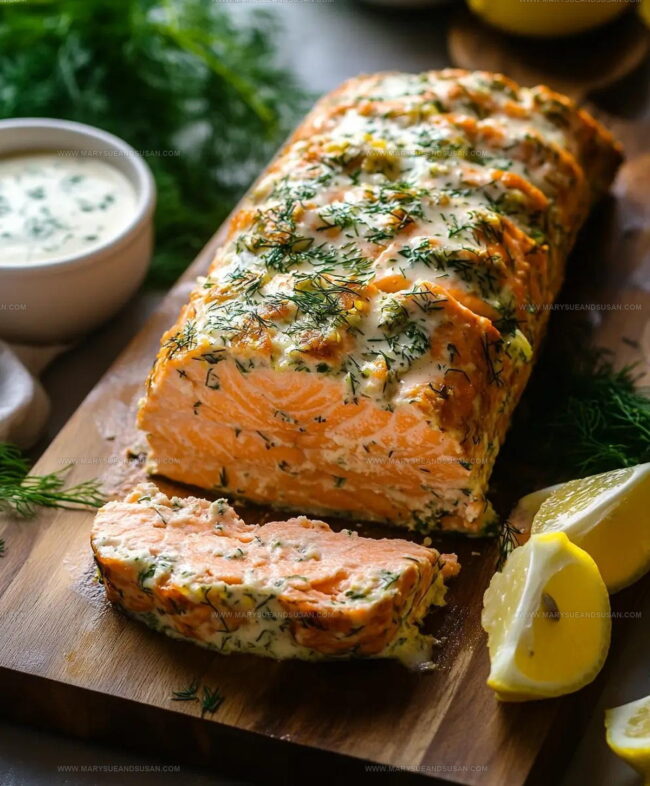
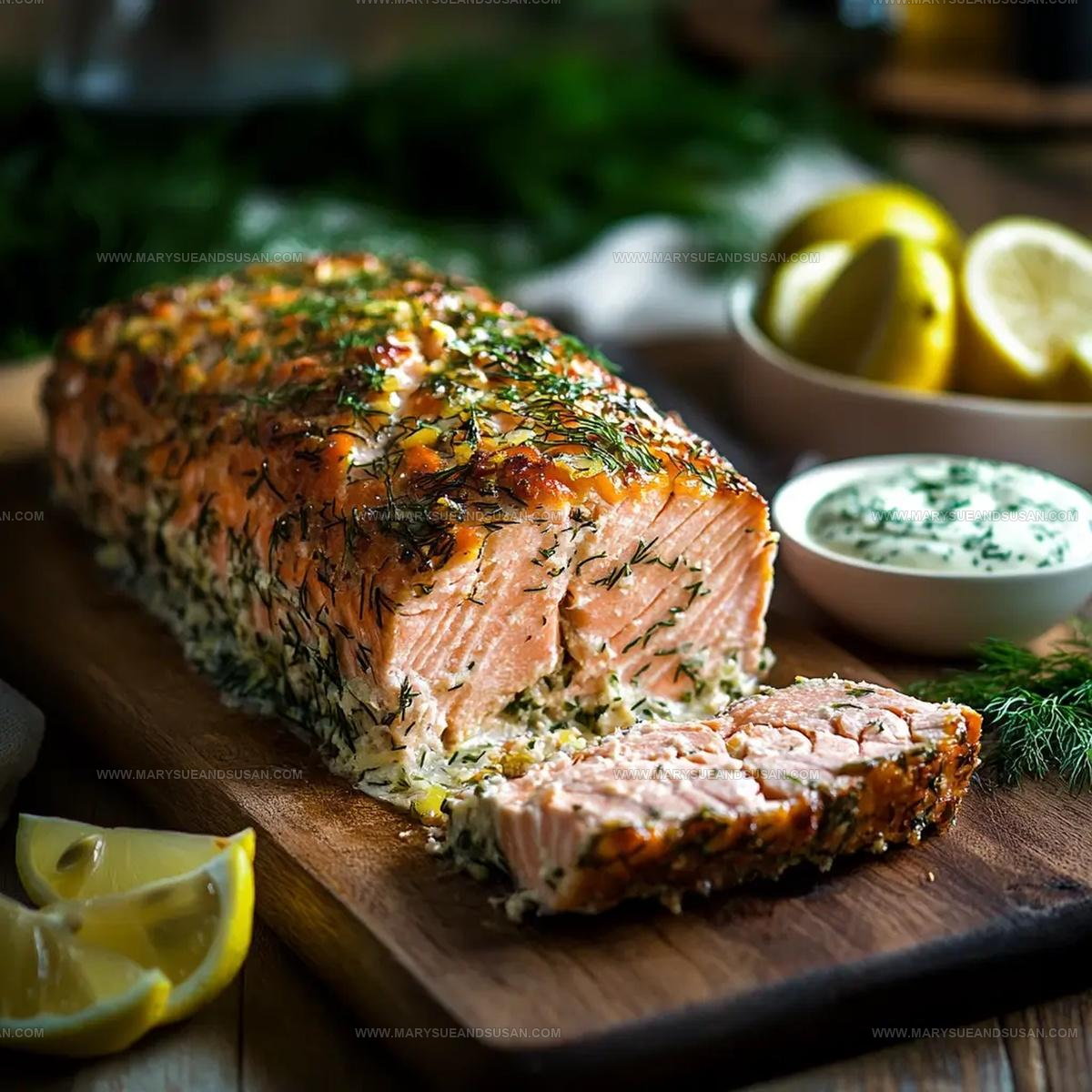
Salmon Loaf Recipe

Baked Salmon Loaf Recipe for Family Dinners

Salmon loaf stands as a delightful seafood classic that promises comfort and satisfaction.

Seafood enthusiasts and home cooks appreciate this hearty dish for its simplicity and rich flavors.

Packed with protein and versatility, salmon loaf offers a perfect solution for weeknight dinners or special gatherings.

Mediterranean and Nordic culinary traditions have long celebrated this remarkable preparation that transforms humble ingredients into something extraordinary.

Families seeking a nutritious meal will adore the straightforward approach and minimal preparation required for this recipe.

Robust and filling, salmon loaf serves as an excellent alternative to traditional meat-based dishes, appealing to health-conscious individuals.

What Makes Salmon Loaf A Favorite

  • Easy Family Meal: This salmon loaf comes together super fast with pantry staples, making dinner stress-free when your family needs something quick and nutritious.
  • Budget-Friendly Protein: Canned salmon transforms into a delicious main dish that saves money compared to fresh fish, helping your grocery budget stretch further.
  • No-Fuss Cooking: The recipe requires minimal chopping and just one mixing bowl, perfect for nights when complicated cooking feels overwhelming.
  • Versatile Leftovers: Cold slices work great in sandwiches or crumbled into salads, giving your meal multiple tasty second-life options for lunch the next day.

Core Ingredients For Salmon Loaf

Main Protein:
  • 2 cans Salmon: Packed with flavor and protein, these canned salmon will be the star of your hearty loaf. Make sure to choose high-quality salmon for the best taste.
Binding Agents:
  • 1 cup Breadcrumbs: These will help hold your salmon loaf together and add a nice texture that makes each slice satisfying.
  • 2 large Eggs: Your eggs work like a culinary glue, binding all the ingredients and creating a smooth, cohesive loaf.
  • 1/4 cup Milk: A splash of milk keeps your salmon loaf moist and tender, preventing it from becoming dry or crumbly.
Flavor Enhancers:
  • 1/4 cup Onion: Finely chopped onion brings a subtle, savory depth that complements the rich salmon perfectly.
  • 2 tablespoons Lemon Juice: A bright burst of citrus that cuts through the richness and adds a fresh note to your salmon loaf.
  • 1 tablespoon Dried Dill: This herb brings a classic, slightly tangy flavor that pairs wonderfully with fish.
  • Salt, Pepper: These basic seasonings will enhance and balance all the other flavors in your salmon loaf.

Handy Kitchen Tools for Salmon Loaf

  • Large Mixing Bowl: A roomy vessel where you’ll combine all the salmon loaf ingredients and mix them thoroughly.
  • Measuring Cups: Essential for accurately portioning out breadcrumbs, milk, and other key ingredients.
  • Measuring Spoons: Perfect for getting precise amounts of lemon juice, dill, salt, and pepper.
  • Whisk or Fork: Great for beating eggs and blending ingredients smoothly.
  • Standard Loaf Pan (9×5 inch): The exact pan where your salmon mixture will transform into a delicious loaf.
  • Cutting Board: Helpful for chopping onions and preparing ingredients.
  • Chef’s Knife: Sharp tool for finely dicing onions with precision.
  • Can Opener: Needed to open salmon cans and drain them completely.
  • Spatula: Useful for scraping bowl sides and transferring mixture to the loaf pan.

Preparing Salmon Loaf Step by Step

Preparing Salmon Loaf Step by Step
1

Preheat Oven

Heat the oven to 350°F and spray a standard loaf pan with cooking spray so nothing sticks when baking.

2

Prepare Salmon

Open the salmon cans and drain them completely. Check for any bones or skin, and remove them carefully.

3

Mix Base Ingredients

Grab a large mixing bowl and combine the salmon with your dry and wet ingredients:

  • 1 cup breadcrumbs
  • 2 large eggs
  • 1/4 cup milk
  • 1/4 cup chopped onion

Blend everything together until the ingredients are well mixed.

4

Season the Mixture

Add flavor to your salmon mixture with these seasonings:

  • 2 tablespoons lemon juice
  • 1 tablespoon dried dill
  • Pinch of salt
  • Pinch of pepper

Stir the seasonings thoroughly so they spread evenly through the mixture.

5

Shape the Loaf

Transfer the salmon mixture into your prepared loaf pan. Press down gently to create a smooth, even surface.

6

Bake the Salmon Loaf

Place the pan in the 350°F oven and bake for exactly 45 minutes. The top should turn a light golden brown, and the center should feel firm when touched.

7

Rest and Serve

Pull the salmon loaf out of the oven and let it rest for 5 minutes. This helps the ingredients settle and makes slicing much easier.

Cook Smarter With Salmon Loaf

  • Take time to carefully pick out any tiny bones from the salmon, ensuring your guests won’t encounter an unexpected crunch.
  • Use a fork to gently blend ingredients, keeping the salmon flaky and preventing overmixing that could make the loaf tough.
  • Add milk and eggs generously to keep your salmon loaf tender and prevent it from becoming dry or crumbly.
  • Press the mixture evenly into the pan, creating a smooth surface that helps the loaf cook consistently and look beautifully uniform.
  • Allow the salmon loaf to rest after baking, which helps the proteins settle and makes slicing clean and neat.

Which New Spins Elevate Salmon Loaf

  • Gluten-Free Salmon Delight: Replace breadcrumbs with gluten-free alternatives like almond flour or crushed gluten-free crackers, maintaining the same measurement to keep your loaf perfectly textured.
  • Mediterranean Herb Salmon Bake: Swap dried dill for fresh chopped oregano and add crumbled feta cheese to transform your classic salmon loaf with a zesty Mediterranean flavor profile.
  • Spicy Cajun Salmon Creation: Mix in 1-2 tablespoons of Cajun seasoning and diced bell peppers to give your salmon loaf a bold, spicy kick that will wake up your taste buds.
  • Low-Carb Salmon Sensation: Substitute breadcrumbs with ground pork rinds or grated cauliflower to reduce carbohydrates while maintaining the loaf’s delightful texture and moistness.

Best Ways To Plate Salmon Loaf

  • Serve with Zesty Accompaniment: Whip up a quick lemon-dill sauce using Greek yogurt, fresh dill, and a squeeze of lemon to brighten your salmon loaf’s rich flavors.
  • Perfect Side Dish Pairing: Roast some crisp asparagus or green beans with a light drizzle of olive oil to complement the salmon’s delicate texture.
  • Wine and Dine: Reach for a chilled Sauvignon Blanc or a light Pinot Grigio that will dance beautifully with the herbal notes in your salmon creation.
  • Meal Completion Strategy: Toss a simple mixed green salad with a light vinaigrette to add freshness and balance to this hearty main course.

Safe Storage For Salmon Loaf

  • Store leftover salmon loaf in an airtight container in your refrigerator, where it will stay fresh for 3-4 days. Wrap it tightly with plastic wrap to keep moisture locked in and prevent drying out.
  • Freeze portions of your salmon loaf by wrapping individual slices separately in plastic wrap, then placing them inside a freezer-safe bag. These will maintain great quality for up to 2 months when sealed properly.
  • When reheating refrigerated salmon loaf, warm it gently in your oven at 325°F for about 10-15 minutes to preserve its tender texture and prevent overcooking.
  • For the best flavor and texture, consume refrigerated salmon loaf within 2-3 days and always check for any unusual odors or discoloration before serving.

Salmon Loaf Question Guide

FAQ

Can I use fresh salmon instead of canned?

Absolutely! Fresh salmon works wonderfully. Just flake about 2 cups of cooked salmon and follow the recipe exactly as written.

FAQ

How do I know if the salmon loaf is fully cooked?

Check the center with a fork – it should feel firm and spring back when touched. The top will also turn a light golden brown when done perfectly.

FAQ

What can I do if my mixture seems too dry?

Add an extra splash of milk or a tablespoon of sour cream to help bind the ingredients and keep the loaf moist.

FAQ

Is it necessary to remove bones from canned salmon?

While canned salmon bones are soft and edible, removing them creates a smoother texture that most people prefer.

FAQ

Can this salmon loaf be made ahead of time?

Definitely! Prepare the loaf earlier in the day and refrigerate. Just bake when ready to serve, adding a few extra minutes to cooking time.

FAQ

What makes this salmon loaf different from a fish cake?

This recipe creates a full loaf with a more tender, cohesive texture compared to individual fish cakes, making it easier to slice and serve.
Print
clock clock iconcutlery cutlery iconflag flag iconfolder folder iconinstagram instagram iconpinterest pinterest iconfacebook facebook iconprint print iconsquares squares iconheart heart iconheart solid heart solid icon
Salmon Loaf Recipe

Salmon Loaf Recipe


5 Stars 4 Stars 3 Stars 2 Stars 1 Star

4.6 from 21 reviews

  • Total Time: 55 minutes
  • Yield: 4 1x

Description

Salmon Loaf brings comfort straight from Grandma’s kitchen to your dinner table, ready in a snap with pantry staples. Packed with tender flaked fish and gentle seasonings, this nostalgic dish delivers warm, satisfying flavor your family will devour.


Ingredients

Scale

Main Protein:

  • 2 cans salmon

Binding Agents:

  • 1 cup breadcrumbs
  • 2 large eggs
  • ¼ cup milk

Flavor Enhancers:

  • ¼ cup onion
  • 2 tablespoons lemon juice
  • 1 tablespoon dried dill
  • Salt
  • Pepper

Instructions

  1. Warm your oven to a precise 350°F and lightly coat a standard loaf pan with cooking spray to prevent sticking.
  2. Drain two 14-15 oz cans of salmon completely, removing any visible bones or skin for a smooth texture.
  3. Grab a spacious mixing bowl and combine the drained salmon with 1 cup breadcrumbs, 2 beaten eggs, ¼ cup milk, and ¼ cup finely chopped onion.
  4. Season the mixture with 2 tablespoons lemon juice, 1 tablespoon dried dill, and a pinch of salt and pepper to enhance the flavor profile.
  5. Blend all ingredients thoroughly, ensuring an even distribution of salmon and seasonings throughout the mixture.
  6. Gently transfer the salmon mixture into the prepared loaf pan, carefully pressing and smoothing the top for an even surface.
  7. Slide the pan into the preheated 350°F oven and bake for exactly 45 minutes until the top turns a light golden brown and the center feels firm.
  8. Remove the salmon loaf from the oven and let it rest for 5 minutes, allowing the ingredients to set and make slicing easier.

Notes

  • Fresh salmon works best, but canned salmon is a convenient alternative that still delivers great flavor.
  • Drain the salmon thoroughly to prevent a watery loaf and ensure a firm texture.
  • For a gluten-free version, swap breadcrumbs with ground almond meal or gluten-free crackers.
  • Experiment with herbs like parsley or chives if dill isn’t your favorite, and adjust seasoning to your taste preferences.
  • Prep Time: 10 minutes
  • Cook Time: 45 minutes
  • Category: Salmon
  • Method: Baking
  • Cuisine: American

Nutrition

  • Serving Size: 4
  • Calories: 320 kcal
  • Sugar: 2 g
  • Sodium: 450 mg
  • Fat: 12 g
  • Saturated Fat: 3 g
  • Unsaturated Fat: 7 g
  • Trans Fat: 0 g
  • Carbohydrates: 20 g
  • Fiber: 2 g
  • Protein: 30 g
  • Cholesterol: 110 mg
Susan Whitaker

Susan Whitaker

Content Specialist & Home Cooking Guide

Expertise

Family-friendly Meals, Simple Healthy Cooking, Ingredient Substitutions, Beginner-friendly Recipes, Flexible Meal Prep

Education

Saint Paul College
  • Program: Culinary Arts Diploma
  • Focus: Trained in a hands-on professional kitchen environment with coursework spanning core culinary technique, pastry, butchery, charcuterie, food safety, sanitation, restaurant operations, and the nutritional side of healthy cooking, with real-world practice tied to the college’s student-run restaurant.

Susan is the steady, practical guide at Mary Sue & Susan, bringing clarity, structure, and a warm sense of encouragement to every recipe she touches. Susan joined the site with a simple goal: help people cook with more confidence and less guesswork.

Leave a Reply

Your email address will not be published. Required fields are marked *

Recipe rating 5 Stars 4 Stars 3 Stars 2 Stars 1 Star