
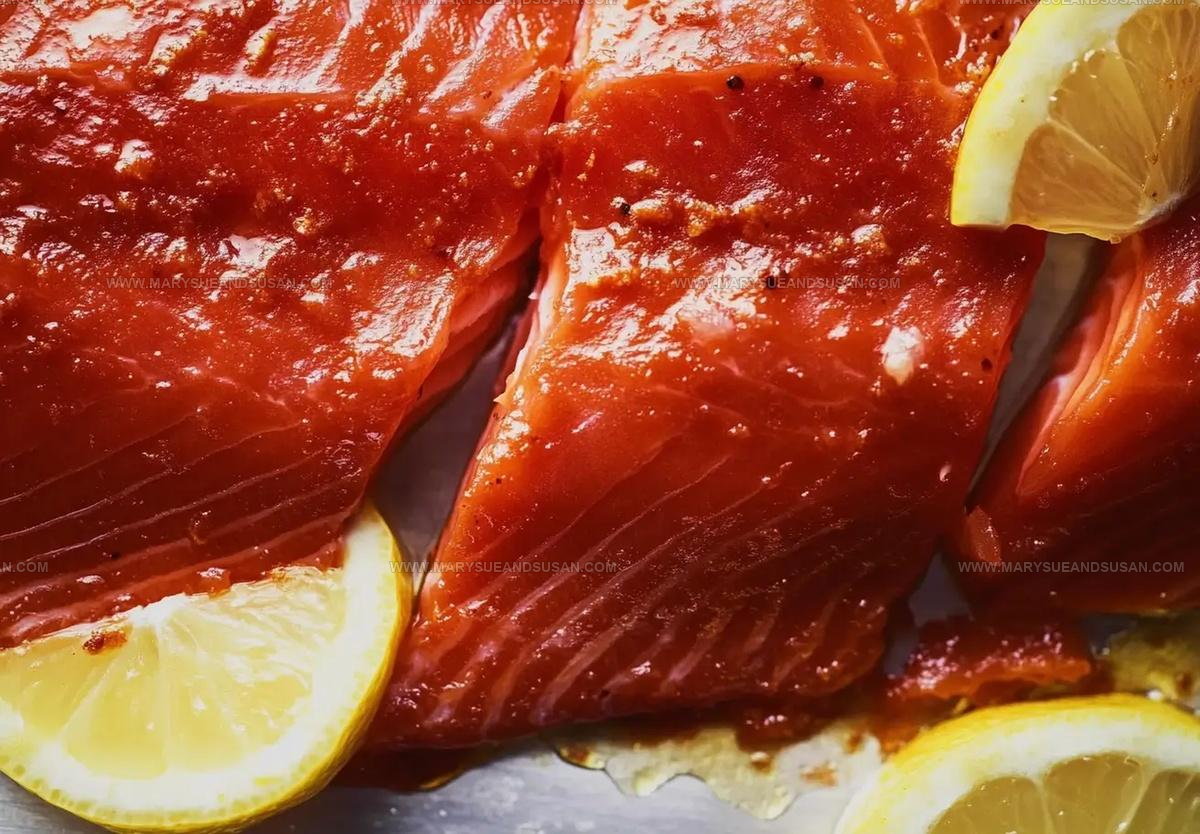
Smoked Salmon Recipe for Achieving Perfect Internal Temperature

Smoked salmon internal temperature matters more than you might think for achieving perfect, mouthwatering results.
Seafood enthusiasts and home cooks appreciate the delicate balance between safety and flavor when preparing this luxurious protein.
Professional chefs know that precision can make or break the entire smoking process.
Monitoring temperature ensures tender, flaky fish with rich, smoky characteristics that tantalize the palate.
Seafood lovers seek that ideal moment when salmon transforms from raw to perfectly cooked without losing its delicate texture.
Mastering the art of smoking requires understanding subtle temperature nuances that separate good from extraordinary preparations.
Serious food lovers will appreciate learning how to nail this technique with confidence and skill.
Why Smoked Salmon Cooking Temps Matter
Ingredient List For Smoked Salmon Temperature Guide
Main Ingredient:Brine Components:Seasoning and Flavor Enhancers:Simple Kitchen Equipment for Smoked Salmon Internal Temp
Steps for Making Smoked Salmon to the Right Internal Temp
Prepare Salmon
Grab your 1 lb salmon fillet and give it a quick rinse under cold water. Grab some paper towels and dry that fish until it’s completely moisture-free. Every single surface needs to be super dry.
Create Brine Bath
Whip up a flavor-packed brine in a large bowl with these ingredients:
Dunk the salmon into this liquid magic and park it in the refrigerator for 4-6 hours. This step gives your fish a flavor boost and keeps things juicy.
Rinse and Dry
Pull the salmon from its brine bath and give it a gentle rinse. Grab fresh paper towels and pat that fish completely dry.
Fire Up the Smoker
Set your smoker to exactly 180°F. Grab some alder, cherry, or applewood chips to create a delicate smoky flavor.
Oil and Season
Brush the salmon with 1 tablespoon olive oil to protect it from drying out. Sprinkle on your favorite seasonings like 1 teaspoon smoked paprika or 2 teaspoons fresh dill.
Position Salmon
Place the salmon skin-side down on the smoker grate. Make sure there’s some breathing room around the fillet for heat to circulate properly.
Track the Temperature
Slide a meat thermometer into the thickest part of the salmon. This helps you nail the perfect doneness.
Smoke to Perfection
Let the salmon smoke for 1.5-2 hours. You’re aiming for an internal temperature between 120°F-135°F.
Rest and Serve
Carefully lift the salmon from the smoker. Let it rest for 5-10 minutes so those delicious juices can redistribute. This keeps the fish super moist and flavorful.
Kitchen Know-How For Smoked Salmon Temperatures
Flavor Twists for Smoked Salmon Timing Techniques
How To Present Smoked Salmon Safely
Storing Smoked Salmon Safely
Smoked Salmon Internal Temperature FAQs
Can I use frozen salmon for this recipe?
Thaw salmon completely in the refrigerator first. Pat it dry with paper towels to remove excess moisture before brining, which helps create the best texture and flavor.
What if I don’t have a smoker?
A pellet grill or charcoal grill with indirect heat can work. Use a thermometer to maintain consistent temperature and add wood chips for smoky flavor.
How salty will the salmon be after brining?
The salt-to-water ratio creates a balanced brine that enhances flavor without making the salmon overly salty. Rinsing after brining helps control saltiness.
Do I need special equipment to check the internal temperature?
A standard meat thermometer works perfectly. Insert it into the thickest part of the fillet to ensure accurate reading.
Can I adjust the seasonings?
Absolutely. Experiment with different herbs and spices like garlic powder, black pepper, or dried herbs that complement the salmon’s natural flavor.
Is it safe to eat salmon at 120°F?
For smoked salmon, 120°F-135°F creates a tender, silky texture. The brining and smoking process helps ensure food safety.
Smoked Salmon Internal Temp Recipe
- Total Time: 5.5-8 hours
- Yield: 4 1x
Description
Perfectly cooked Smoked Salmon hits 145°F, ensuring a safe and delicious meal that melts in your mouth with tender, flaky perfection. Your kitchen will feel like a professional chef’s domain when you nail this simple yet elegant protein preparation.
Ingredients
Salmon:
- 1 lb fresh salmon fillet
Brine Components:
- 4 cups water
- ¼ cup kosher salt
- ¼ cup brown sugar
Seasoning and Flavor Enhancers:
- 1 teaspoon black peppercorns
- 2 cloves garlic
- 1 bay leaf
- Salt
- Sugar
- Olive oil
- Wood chips (alder, cherry, or applewood)
Instructions
- Rinse your 1 lb salmon fillet under cold water and thoroughly dry it with paper towels. Make sure every surface is completely moisture-free.
- Create the brine by mixing 4 cups water, ¼ cup kosher salt, and ¼ cup brown sugar in a large bowl. Submerge the salmon and refrigerate for 4-6 hours to enhance flavor and moisture.
- Remove salmon from brine, gently rinse, and pat completely dry with fresh paper towels.
- Preheat your smoker to a precise 180°F. Select alder, cherry, or applewood chips for a delicate smoky essence.
- Brush the salmon with 1 tablespoon olive oil to prevent drying and create a protective layer.
- Sprinkle your favorite seasonings like 1 teaspoon smoked paprika or 2 teaspoons fresh dill across the salmon’s surface.
- Position the salmon skin-side down on the smoker grate, leaving space around it for proper heat circulation.
- Insert a meat thermometer into the thickest part of the fillet to track temperature accurately.
- Smoke the salmon for 1.5-2 hours until the internal temperature reaches 120°F-135°F.
- Carefully remove the salmon from the smoker and let it rest 5-10 minutes before serving to redistribute internal juices.
Notes
- Check salmon’s freshness before smoking by ensuring it smells clean and looks bright, not dull or discolored.
- Brining helps keep the salmon tender and adds subtle seasoning, so don’t rush or skip this important step.
- Thin fillets cook faster, so adjust smoking time based on the thickness of your salmon cut.
- Use a reliable meat thermometer to prevent overcooking, which can make the salmon dry and tough.
- Prep Time: 4-6 hours
- Cook Time: 1.5-2 hours
- Category: Salmon
- Method: Smoking
- Cuisine: American
Nutrition
- Serving Size: 4
- Calories: 280 kcal
- Sugar: 3 g
- Sodium: 1400 mg
- Fat: 18 g
- Saturated Fat: 3.5 g
- Unsaturated Fat: 13 g
- Trans Fat: 0 g
- Carbohydrates: 4 g
- Fiber: 0.5 g
- Protein: 34 g
- Cholesterol: 75 mg
Mary Sue
Founder & Creative Recipe Developer
Expertise
Comfort Food Twists, Seasonal Cooking, Creative Flavor Pairings, Easy Weeknight Dinners, Flexible Pantry Cooking
Education
Mary Sue is the playful, creative recipe mind behind Mary Sue & Susan, known for big flavor ideas, warm storytelling, and dishes that feel both comforting and a little unexpected. She has a talent for taking familiar meals and giving them just enough personality to make them memorable.