
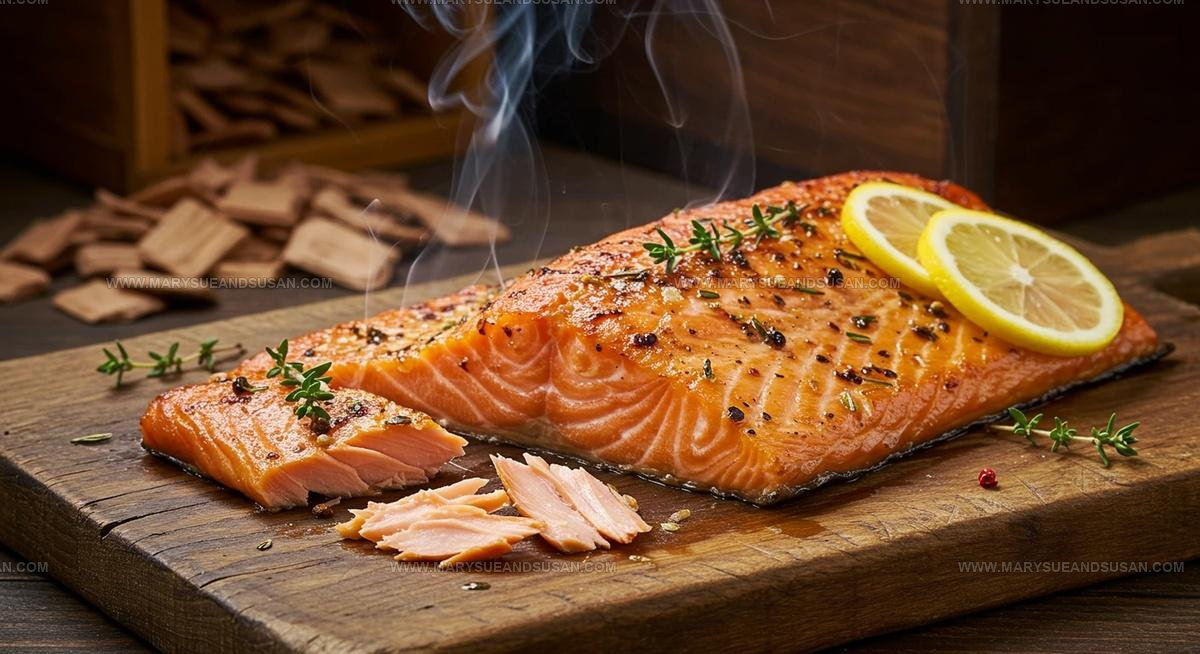
Smoky Grilled Salmon Recipe for Weekend Dinners

Smoking salmon serves up a classic delicacy that transforms simple fish into an extraordinary culinary experience.
Seafood enthusiasts and home chefs adore this mouthwatering preparation method that infuses rich, complex flavors into tender salmon fillets.
Professional kitchens and backyard barbecue lovers alike appreciate the nuanced technique of cold or hot smoking techniques.
Delicate wood smoke creates an incredible depth that enhances the salmon's natural buttery texture and smooth profile.
Remarkable cooking skills aren't required to master this impressive dish that looks stunning on any dinner table.
Sophisticated yet approachable, smoking salmon represents a delightful way to impress guests with minimal complicated preparation.
Weekend cooking enthusiasts will find exceptional satisfaction in crafting this restaurant-worthy seafood specialty that promises memorable dining moments.
What Makes Smoking Salmon So Satisfying
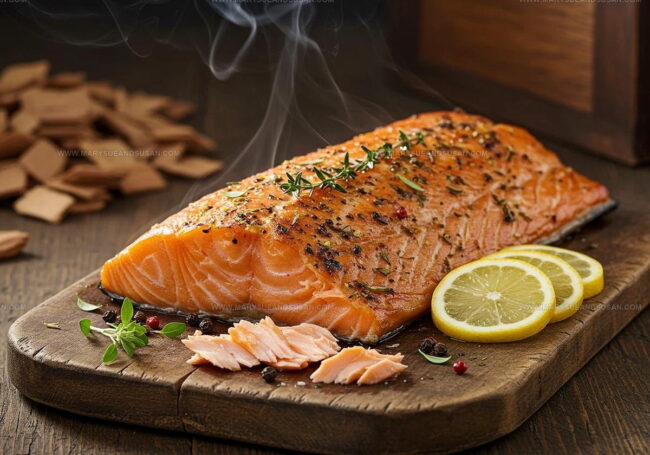
Ingredient List For Smoking Salmon
Main Protein:Curing Mixture:Seasoning:Wood Chips:Kitchen Tools Needed for Smoking Salmon
Steps for Making Smoked Salmon
Prepare the Brine Mixture
Grab a large mixing bowl and combine the ingredients for your flavor base:
Stir these together until they’re well mixed and create a consistent blend.
Submerge the Salmon
Gently place your 1-2 pound salmon fillet into the brine mixture. Make sure every inch of the fish gets coated completely. The salt and sugar will work their magic, pulling moisture out and adding deep flavor to your fish.
Chill and Cure
Cover the bowl and slide it into the refrigerator. Let the salmon hang out in the brine for 4-6 hours. This resting time helps the flavors penetrate the fish and start drawing out excess moisture.
Dry the Salmon
Pull the salmon from the refrigerator and drain off the brine. Use paper towels to carefully pat the fillet dry. You’re looking for a slightly tacky surface that feels a bit firm to the touch.
Season the Fish
Sprinkle black pepper across the salmon:
Let the fillet sit at room temperature for 15 minutes to take the chill off.
Prepare the Smoker
Load your smoker with wood chips – alder or cherry work perfectly. Close the lid and preheat to exactly 225°F. Give the smoker a few minutes to reach the right temperature.
Position the Salmon
Place the salmon skin-side down on clean smoker grates. Make sure the fillet lies flat without any parts overlapping.
Smoking Time
Close the smoker lid and maintain a steady 225°F. Let the salmon smoke for 2-4 hours. You’re aiming for an internal temperature of precisely 145°F.
Rest and Serve
Once the salmon hits 145°F, carefully remove it from the smoker. Let it rest undisturbed for 5-10 minutes. This helps the juices redistribute and keeps the fish tender.
Slice and Plate
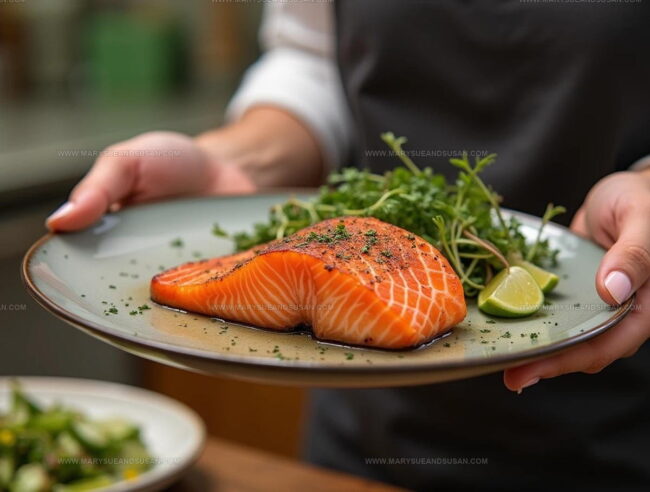
Transfer the smoked salmon to a serving platter. Slice against the grain to ensure each piece is wonderfully tender and packed with smoky flavor.
Little Things That Help With Smoking Salmon
Flavor Twists for Smoking Salmon Techniques
How To Serve Smoked Salmon
How To Store Smoked Salmon
Smoking Salmon Questions Answered
What kind of salt works best for the brine?
Kosher salt is perfect because its larger crystals dissolve evenly and prevent over-salting your salmon. Table salt can make the fish too salty and intense.
Can other wood chips replace alder or cherry?
Absolutely! Maple and apple wood chips also provide excellent mild, sweet flavors that complement salmon’s natural taste. Avoid strong woods like mesquite that could overpower the delicate fish.
How do I know the salmon is perfectly brined?
When your salmon feels slightly tacky and firm after removing it from the brine, you’ve achieved the right texture. The surface should look moist but not wet.
What internal temperature guarantees food safety?
145°F ensures your salmon is fully cooked and safe to consume. Use a reliable meat thermometer inserted into the thickest part of the fillet to check.
Should the salmon skin stay on during smoking?
Keeping the skin on helps protect the delicate flesh and adds extra flavor. The skin also makes transferring the salmon easier and prevents breaking the fillet.
Can fresh salmon be used directly from the store?
Always choose high-quality, fresh salmon without strong fishy odors. Wild-caught salmon typically provides better texture and flavor for smoking.
Smoking Salmon Recipe
- Total Time: 6-10 hours
- Yield: 4 1x
Description
Smoking Salmon brings delightful Pacific Northwest flavors straight to your kitchen table. Delicate fish gets perfectly seasoned and slowly smoked, delivering rich, buttery goodness that makes dinner feel extra special.
Ingredients
Main Protein:
- 1–2 pounds salmon fillet
Curing Mixture:
- 1 cup kosher salt
- 1 cup brown sugar
Seasoning:
- 1 tsp black pepper
- Wood chips (alder/cherry) as needed
Instructions
- Mix 1 cup kosher salt and 1 cup brown sugar in a large bowl to create your brine mixture. Submerge the salmon completely, ensuring the entire fillet is covered.
- Refrigerate the salmon in the brine solution for 4-6 hours. This process helps infuse flavor and draw out moisture.
- Remove the salmon from the brine and gently pat dry with paper towels. The surface should feel tacky and slightly firm.
- Sprinkle 1 tsp black pepper across the salmon fillet if you want added seasoning. Let the fillet sit at room temperature for 15 minutes.
- Load your smoker with alder or cherry wood chips. Preheat the smoker precisely to 225°F with the lid closed.
- Position the salmon skin-side down directly on clean smoker grates. Ensure the fillet lies flat without overlapping.
- Close the smoker and maintain a steady temperature of 225°F. Smoke your salmon for 2-4 hours until the internal temperature reaches exactly 145°F.
- After reaching target temperature, remove the salmon from the smoker. Allow it to rest undisturbed for 5-10 minutes before slicing.
- Transfer the smoked salmon to a serving platter. Slice against the grain for the most tender results.
Notes
- Selecting fresh, high-quality salmon ensures the best flavor and texture for smoking.
- Pat the salmon completely dry after brining to help create a beautiful pellicle that allows smoke to adhere better.
- Experiment with different wood chips like applewood or hickory to add unique smoky flavors to your salmon.
- For a more delicate taste, reduce smoking time slightly and check the internal temperature early to prevent overcooking.
- Prep Time: 4-6 hours
- Cook Time: 2-4 hours
- Category: Salmon
- Method: Smoking
- Cuisine: American
Nutrition
- Serving Size: 4
- Calories: 335 kcal
- Sugar: 18 g
- Sodium: 14500 mg
- Fat: 12 g
- Saturated Fat: 2.5 g
- Unsaturated Fat: 8.5 g
- Trans Fat: 0 g
- Carbohydrates: 18 g
- Fiber: 0.5 g
- Protein: 37 g
- Cholesterol: 80 mg
Susan Whitaker
Content Specialist & Home Cooking Guide
Expertise
Family-friendly Meals, Simple Healthy Cooking, Ingredient Substitutions, Beginner-friendly Recipes, Flexible Meal Prep
Education
Susan is the steady, practical guide at Mary Sue & Susan, bringing clarity, structure, and a warm sense of encouragement to every recipe she touches. Susan joined the site with a simple goal: help people cook with more confidence and less guesswork.