
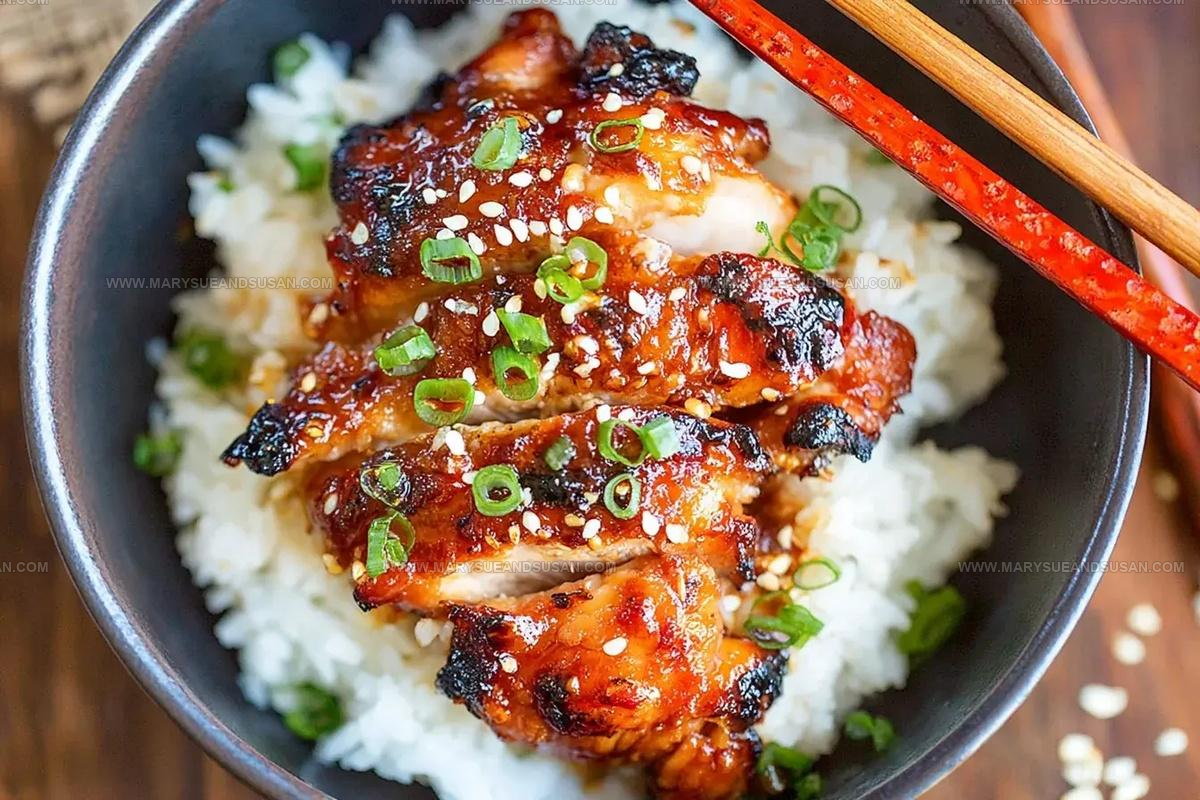
Korean Chicken Recipe With Bold Gochujang Heat

Spicy Korean chicken promises a flavor explosion that will ignite your senses and transport you straight to the bustling streets of Seoul.
Bold, fiery, and utterly addictive, this dish captures the essence of Korean cuisine with its robust seasonings and mouthwatering complexity.
Passionate home cooks and adventurous eaters alike gravitate toward these vibrant flavors that dance between heat and depth.
Rich cultural traditions merge seamlessly with contemporary culinary techniques, creating a meal that feels both authentic and innovative.
Every single bite tells a story of intense spices, carefully balanced marinades, and generations of culinary craftsmanship.
Serious food enthusiasts understand that Korean chicken represents more than just a meal – it's a sensory experience that connects you to a rich gastronomic heritage.
Why Spicy Korean Chicken Hits The Spot
Ingredient List For Spicy Korean Chicken
Main Protein:Marinade Base:Spice Elements:Optional Garnish:Essential Kitchen Tools for Spicy Korean Chicken
Preparing Spicy Korean Chicken Step by Step
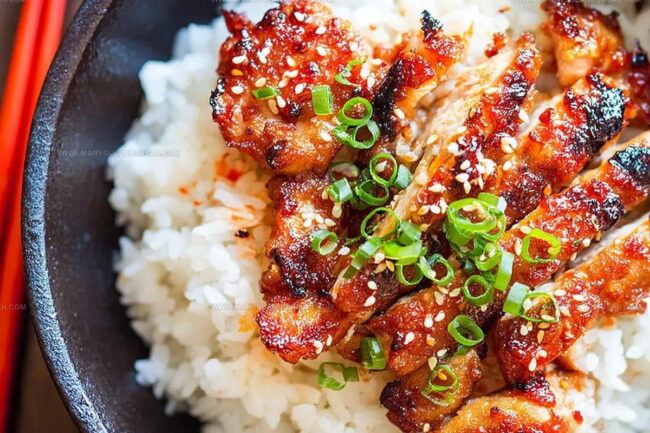
Slice The Chicken
Grab those chicken thighs and slice them horizontally into thin strips. If the pieces look chunky, break them down further so they cook quickly and evenly.
Create The Spicy Sauce
Mix together the flavor-packed ingredients for your marinade. Here’s what you’ll combine:
Whisk everything until the mixture looks smooth and glossy.
Coat The Chicken
Pour the spicy sauce over your chicken strips and toss until every single piece is completely covered. Let the chicken hang out in this marinade for 30 minutes to soak up all those amazing flavors.
Grill The Chicken
Heat your grill to medium-high heat around 400°F. Spread the marinated chicken pieces across the grates and cook for 6-8 minutes on each side. You’re looking for a nice char and totally cooked interior.
Check The Doneness
Make sure your chicken reaches an internal temperature of 165°F. The edges should look crispy and slightly darkened.
Plate And Garnish
Transfer the hot chicken to a serving plate. Sprinkle some sesame seeds and chopped green onions on top for extra crunch and freshness. Serve immediately with steamed rice.
A Few Helpful Notes For Spicy Korean Chicken
Flavor Variations for Spicy Korean Chicken
How To Serve Spicy Korean Chicken
Storage And Reheating Notes For Spicy Korean Chicken
Spicy Korean Chicken Questions Answered
What makes gochujang different from other hot sauces?
Gochujang is a Korean fermented chili paste with deep, complex flavor. Unlike typical hot sauces, it offers sweet, savory, and spicy notes that create a unique taste in your dish.
Can vegetarians make this recipe?
While this recipe uses chicken, you could substitute tofu or tempeh and follow the same marinade and cooking instructions for a similar flavor profile.
How spicy does this chicken get?
The spice level depends on your gochugaru and gochujang amounts. Start with less if heat concerns you, and adjust according to your personal spice tolerance.
Do I need special equipment to make this recipe?
No special tools required – just a mixing bowl, skillet or grill, and basic kitchen measuring tools work perfectly.
What if I cannot find gochugaru?
Korean red pepper flakes can be substituted with regular red pepper flakes, though the authentic flavor will be slightly different. Adjust quantity to match your desired heat level.
Spicy Korean Chicken Recipe
- Total Time: 50 minutes
- Yield: 4 1x
Description
Spicy Korean Chicken brings a zesty explosion of flavor that’ll make your taste buds dance with excitement. Marinated in a bold, tangy sauce and perfectly grilled, this dish delivers a mouthwatering punch of Korean-inspired goodness straight to your plate.
Ingredients
Primary Proteins:
- 1.5 pounds boneless, skinless chicken thighs
Spices and Seasonings:
- 2 tablespoons Korean chili paste (gochujang)
- 1 tablespoon Korean red chili powder (gochugaru or regular chili powder)
- 1 tablespoon sugar
Cooking Oils and Garnishes:
- 2 tablespoons vegetable oil
- 1 tablespoon sesame oil
- Optional: sesame seeds
- Optional: chopped green onions
Instructions
- Slice 1½ pounds of boneless, skinless chicken thighs horizontally into thin strips. Cut thicker pieces into 2-3 sections for even cooking.
- Whisk 2 tablespoons vegetable oil, 2 tablespoons gochujang, 1 tablespoon chili powder, 1 tablespoon sugar, and 1 tablespoon sesame oil in a mixing bowl until the marinade blends smoothly.
- Pour the marinade over your chicken pieces. Massage thoroughly so each strip gets completely coated. Cover and refrigerate for 30-120 minutes to develop deep flavor.
- For grilling, heat your grill to 400°F and cook chicken strips for 6-8 minutes per side until dark grill marks appear and internal temperature reaches 165°F.
- For skillet method, heat a non-stick pan to medium-high around 375°F. Cook chicken in single-layer batches for 4-5 minutes per side, ensuring golden brown exterior.
- For oven preparation, preheat to 400°F. Arrange marinated chicken on a baking sheet and roast for 20 minutes. Switch to broil for 2-3 minutes to create crispy edges.
- Transfer cooked chicken to a serving plate. Sprinkle with optional sesame seeds and chopped green onions for extra texture and color.
Notes
- Let chicken marinate longer for deeper flavor, but don’t exceed 2 hours or the meat might become mushy.
- Use boneless, skinless chicken thighs for the most tender and juicy results with this spicy Korean recipe.
- Check internal chicken temperature reaches 165°F to ensure safe cooking without drying out the meat.
- For a gluten-free version, swap regular soy sauce with tamari and confirm gochujang brand is gluten-free.
- Prep Time: 10 minutes
- Cook Time: 20 minutes
- Category: Chicken
- Method: Grilling
- Cuisine: Korean
Nutrition
- Serving Size: 4
- Calories: 335 kcal
- Sugar: 5 g
- Sodium: 350 mg
- Fat: 21 g
- Saturated Fat: 4 g
- Unsaturated Fat: 17 g
- Trans Fat: 0 g
- Carbohydrates: 8 g
- Fiber: 1 g
- Protein: 25 g
- Cholesterol: 85 mg
Mary Sue
Founder & Creative Recipe Developer
Expertise
Comfort Food Twists, Seasonal Cooking, Creative Flavor Pairings, Easy Weeknight Dinners, Flexible Pantry Cooking
Education
Mary Sue is the playful, creative recipe mind behind Mary Sue & Susan, known for big flavor ideas, warm storytelling, and dishes that feel both comforting and a little unexpected. She has a talent for taking familiar meals and giving them just enough personality to make them memorable.