
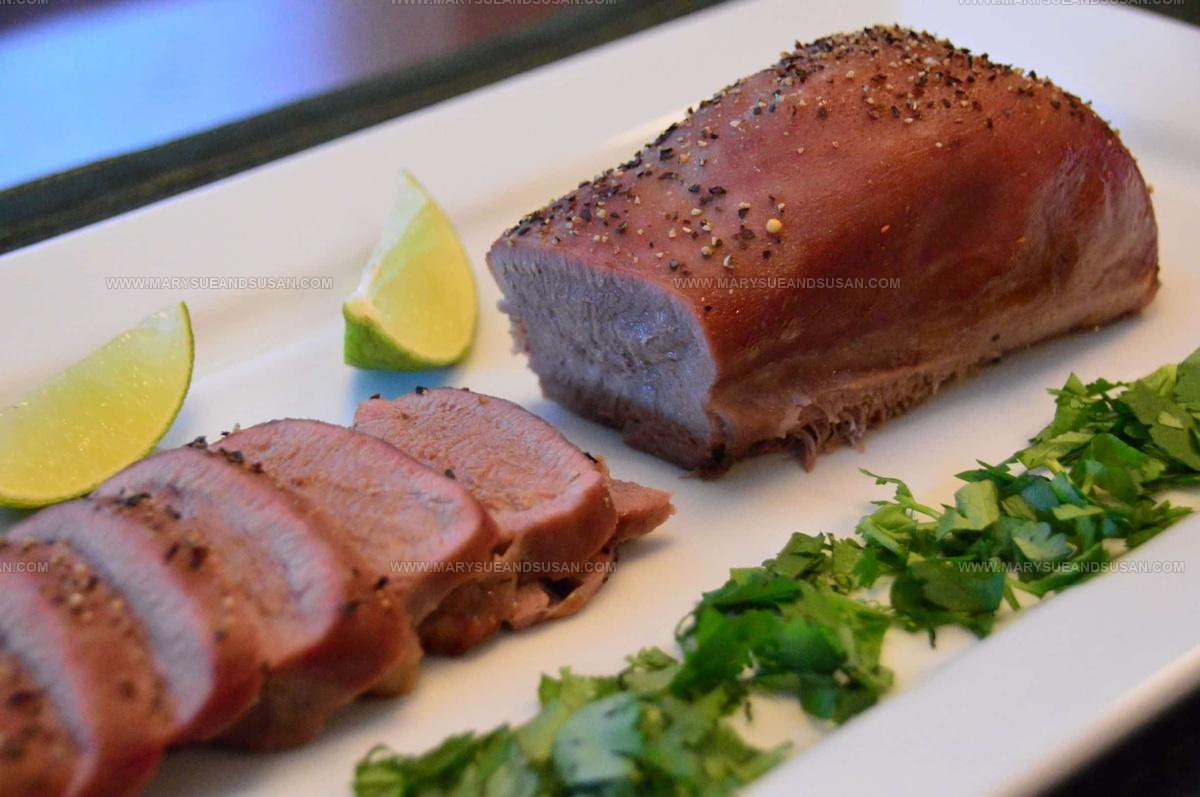
French Recipe for Succulent Braised Beef Tongue

Tender beef tongue recipes French recipe brings an often-overlooked delicacy to life with elegance and sophistication that French cuisine perfected centuries ago.
Cooking this specialty may seem daunting at first, but the payoff is melt-in-the-mouth texture and rich flavor that rivals the finest cuts served in bistros across Paris.
French preparation methods honor traditional techniques passed down through generations, turning humble ingredients into something extraordinary on the dinner plate.
When prepared correctly, the result is silky, succulent meat that practically dissolves with each bite.
Serving this classic dish shows confidence in the kitchen and willingness to venture beyond ordinary weeknight meals.
Whether for a special occasion or simply expanding cooking repertoire, mastering this preparation opens doors to authentic European dining at home.
The satisfaction of presenting such a refined dish to family and friends makes every moment of preparation worthwhile.
Why French Beef Tongue Recipes Endure
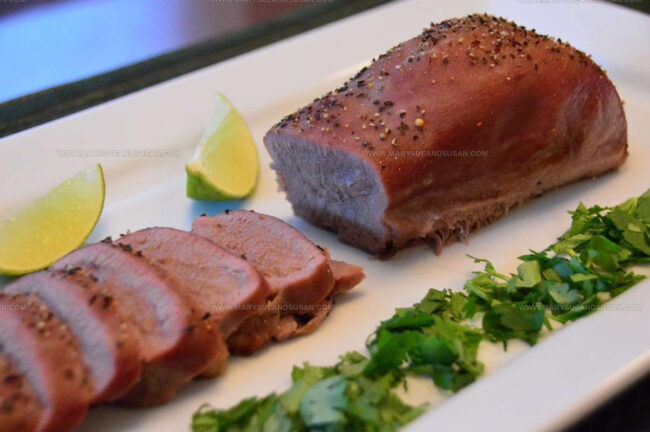
Ingredients Used in French-Style Beef Tongue
Main Protein:Aromatic Vegetables:Seasoning and Herbs:Cooking Requires: Approximately 3-4 hours of simmering time to ensure the beef tongue becomes perfectly tender.
Essential Tools for French Beef Tongue Dishes
French-Style Beef Tongue Cooking Method
Prep the Tongue
Grab your 3-4 pound beef tongue and give it a good rinse under cold tap water. Drop it into a large pot that’ll comfortably hold the meat and all its flavor friends.
Build the Flavor Base
Time to create a delicious foundation for your tongue. Toss in these flavor powerhouses:
Fill the Pot
Pour cold water into the pot until the tongue and veggies are completely covered. Water should be about 1-2 inches above all the ingredients.
Slow Cook to Perfection
Crank up the heat to bring everything to a rolling boil. Once boiling, dial the temperature down to low. Let this beautiful mix simmer for exactly 3 hours and 45 minutes at 190°F. The tongue needs time to become super tender.
Check for Doneness
After cooking, poke the tongue with a fork. It should feel soft and give easily when pressed. If not, keep simmering for another 15 minutes.
Cool and Prep
Pull the tongue out and let it rest for 10-15 minutes. This helps it firm up slightly, making it easier to handle.
Skin and Slice
Carefully peel off the tough outer skin – it should slip right off. Slice the tongue into thin, delicate pieces.
Serve and Garnish
Arrange the sliced tongue on a platter with the cooked vegetables. Sprinkle fresh chopped parsley on top for a bright, fresh finish. Dinner is ready!
Cooking Tips for French Beef Tongue
French Beef Tongue Recipe Variations
Perfect Serving Ideas for French Beef Tongue
How to Store French-Style Beef Tongue
French Beef Tongue Common Questions
Is beef tongue safe to eat?
Beef tongue is completely safe when cooked thoroughly to an internal temperature of 145°F, just like other beef cuts. The long simmering process ensures all bacteria are eliminated.
How do I know when the tongue is fully cooked?
The tongue becomes tender and can be easily pierced with a fork when it’s done. The meat will feel soft and almost fall apart when touched.
Can I prepare beef tongue ahead of time?
Absolutely! You can cook the tongue a day before serving, then slice and reheat gently in its cooking liquid to keep the meat moist and flavorful.
What does beef tongue taste like?
Beef tongue has a rich, mild beef flavor similar to pot roast. The texture is smooth and tender when prepared correctly, making it surprisingly delicate.
Where can I find beef tongue?
Check your local butcher shop, specialty meat markets, or the meat counter at well-stocked grocery stores. Some ethnic markets also regularly carry beef tongue.
Is beef tongue nutritious?
Beef tongue is protein-rich and provides essential nutrients like zinc, vitamin B12, and iron. It’s a lean protein source with less fat compared to many other beef cuts.
Tender Beef Tongue Recipes French Recipe
- Total Time: 3 hours 15 minutes to 4 hours 15 minutes
- Yield: 6 1x
Description
Beef Tongue Provençal brings classic French countryside cooking straight to your kitchen table. Tender, slow-simmered meat becomes a delectable meal that connects you with traditional culinary roots and delivers rich, hearty flavor in every delicious bite.
Ingredients
Main Ingredients:
- 1 beef tongue
Vegetables:
- 2 onions
- 4 carrots
- 4 celery stalks
- 4 cloves garlic
Herbs and Seasonings:
- 2 bay leaves
- 1 teaspoon whole black peppercorns
- Salt
- Fresh parsley
Instructions
- Thoroughly rinse your 3-4 pound beef tongue under cold running water, removing any visible debris or surface residue.
- Transfer the cleaned tongue into a spacious large pot, creating a solid foundation for cooking.
- Scatter 2 quartered onions, 4 chopped carrots, 4 chopped celery stalks, and 4 smashed garlic cloves around the tongue for aromatic flavor infusion.
- Add 2 bay leaves and 1 teaspoon whole black peppercorns to enhance the broth’s depth and complexity.
- Pour cold water into the pot, completely covering the tongue and vegetables by at least 2 inches.
- Place the pot on high heat and bring the liquid to a rolling boil, which typically takes 8-10 minutes.
- Reduce your burner temperature to low, creating a gentle simmer that allows the tongue to become tender without aggressive bubbling.
- Cover the pot and let the tongue cook slowly for 3-4 hours at 180-200 degrees fahrenheit, checking occasionally to ensure sufficient liquid remains.
- Test the tongue’s tenderness by inserting a sharp knife – it should slide in smoothly with minimal resistance.
- Remove the tongue from the broth and let it rest for 10-15 minutes until cool enough to handle comfortably.
- Carefully peel away the tough outer membrane using your fingers or a small paring knife, discarding the skin.
- Slice the tongue thinly against the grain, creating delicate, uniform pieces for serving.
- Arrange the sliced tongue on a platter with the cooked vegetables and sprinkle fresh chopped parsley on top for a bright, fresh garnish.
Notes
- Cook the tongue gently and slowly to ensure maximum tenderness and prevent tough meat.
- Check water levels during cooking and add more if needed to keep the tongue fully submerged.
- The outer skin peels off easily when the tongue is warm, so remove it shortly after cooking when it’s comfortable to handle.
- For a leaner version, trim visible fat before cooking and use low-sodium vegetable broth instead of water for additional flavor.
- Prep Time: 15 minutes
- Cook Time: 3-4 hours
- Category: Beef
- Method: Simmering
- Cuisine: French
Nutrition
- Serving Size: 6
- Calories: 283 kcal
- Sugar: 4 g
- Sodium: 120 mg
- Fat: 15 g
- Saturated Fat: 6 g
- Unsaturated Fat: 8 g
- Trans Fat: 0.2 g
- Carbohydrates: 10 g
- Fiber: 3 g
- Protein: 29 g
- Cholesterol: 125 mg
Susan Whitaker
Content Specialist & Home Cooking Guide
Expertise
Family-friendly Meals, Simple Healthy Cooking, Ingredient Substitutions, Beginner-friendly Recipes, Flexible Meal Prep
Education
Susan is the steady, practical guide at Mary Sue & Susan, bringing clarity, structure, and a warm sense of encouragement to every recipe she touches. Susan joined the site with a simple goal: help people cook with more confidence and less guesswork.