
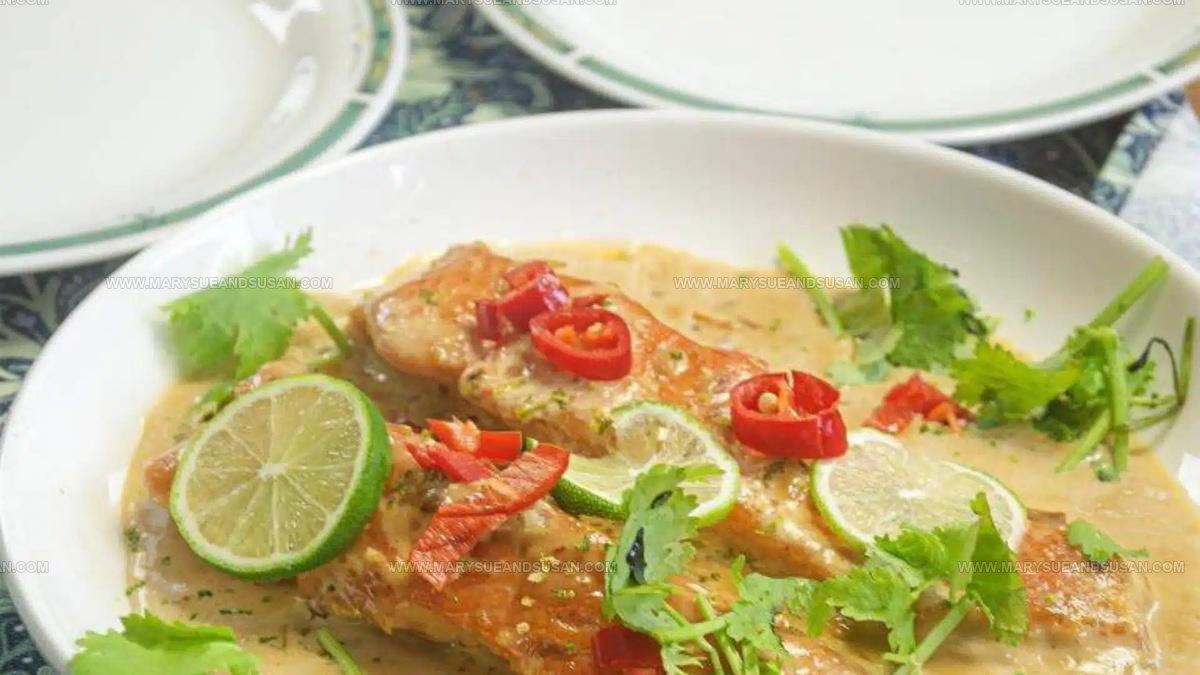
Tender Poached Salmon Recipe

Poached Salmon Recipe That’s Tender and Simple

A tender poached salmon recipe offers one of the most graceful ways to prepare this beloved fish for any occasion.

The gentle cooking method creates a silky texture that feels light yet satisfying on the palate.

Whether you need a weeknight dinner solution or something special for guests, this approach delivers impressive results without fussy techniques.

The delicate preparation method locks in moisture while keeping flavors clean and pure.

You can serve it warm from the stove or chilled the next day, making it wonderfully versatile for meal planning.

Poaching produces a refined dish that somehow feels both elegant and comforting at once.

This cooking style proves that simple methods often yield the most beautiful outcomes.

Come see how easy it is to create something truly special tonight.

Why You’ll Love Coconut Lime Salmon

  • Simple Cooking: This salmon recipe feels like a restaurant-quality meal without complicated techniques. Sauteing garlic and chili, then poaching the fish in a fragrant sauce sounds fancy, but it’s actually super straightforward.
  • Flavor Explosion: The combination of coconut milk, lime, soy sauce, and brown sugar creates a sauce that’s tangy, sweet, and rich. Each bite brings together tropical and savory notes that make dinner exciting.
  • Health Boost: Salmon is packed with omega-3 fatty acids and protein, making this a nutritious meal that doesn’t compromise on taste. The light poaching method keeps the fish tender and preserves its nutritional value.
  • Versatile Dish: This recipe works great for a quick weeknight dinner or an impressive meal when friends come over. Serve with rice or salad, and it transforms into a complete, satisfying meal that everyone will enjoy.

The Essentials Behind This Coconut Lime Salmon

Main Protein:
  • 4 Salmon Fillets: Fresh, medium-sized fillets that will soak up the delicious coconut lime sauce perfectly. Choose skinless or skin-on, depending on your preference.
Cooking Fat:
  • 1 Tablespoon Vegetable Oil, 1 Tablespoon Coconut Oil: Neutral oils that help prevent sticking and create a smooth base for your sauce.
Aromatics:
  • 2 Cloves Garlic, 1 Small Red Chili: Minced garlic brings depth and warmth, while the optional chili adds a gentle heat to wake up your taste buds.
Sauce Base:
  • 1 Cup Coconut Milk: Rich, creamy full-fat coconut milk that forms the luxurious foundation of your sauce.
  • ½ Cup Chicken Or Fish Broth: Provides additional depth and liquid for poaching the salmon.
Flavor Enhancers:
  • 1 Tablespoon Soy Sauce, 1 Tablespoon Brown Sugar: Soy sauce adds umami complexity, while brown sugar balances with a subtle sweetness.
Citrus Elements:
  • Zest Of 1 Lime, Juice Of 1 Lime: Bright lime zest infuses the sauce with aromatic oils, and fresh juice adds a tangy finish.
Finishing Touches:
  • Fresh Cilantro: Chopped herbs to sprinkle over the dish for a fresh, vibrant garnish.
  • Salt And Pepper: Essential seasonings to enhance the natural flavors of the salmon.

Useful Tools For Preparing Coconut Lime Salmon

  • Large Non-Stick Skillet: My go-to pan for even heat distribution and easy sauce cooking. Perfect for poaching delicate salmon without sticking.
  • Lid: Essential for covering the skillet and trapping steam to gently poach the salmon, keeping it moist and tender.
  • Measuring Cups: Help me accurately measure coconut milk, broth, and other liquid ingredients for a balanced sauce.
  • Measuring Spoons: Precise for adding small amounts of soy sauce, brown sugar, and seasonings.
  • Wooden Spoon or Spatula: Great for stirring the sauce and carefully turning or moving the salmon during cooking.
  • Zester or Grater: Helps me get fresh lime zest without the bitter white pith.
  • Cutting Board: Provides a clean surface for preparing ingredients and zesting lime.
  • Sharp Knife: Needed for chopping cilantro and preparing salmon fillets if not pre-cut.

How to Make Poached Salmon in Coconut Lime Sauce
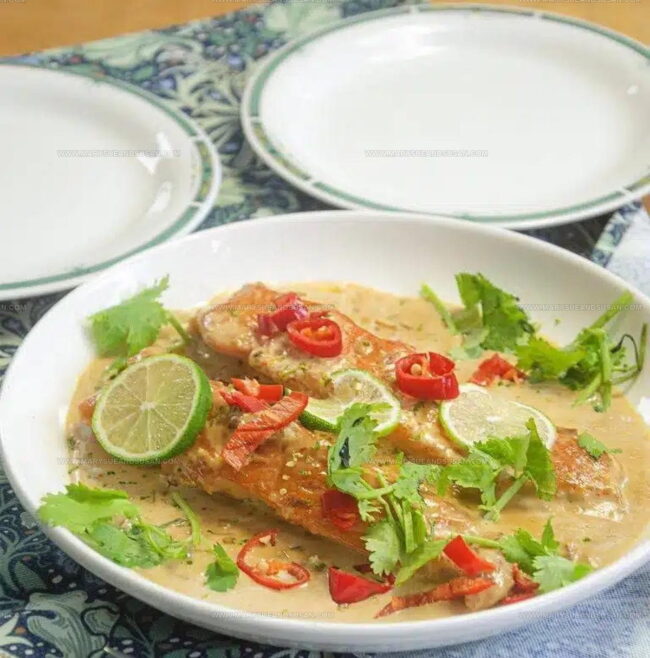
How to Make Poached Salmon in Coconut Lime Sauce
1

Prepare Aromatic Base

Heat 1 tablespoon vegetable or coconut oil in a large non-stick skillet at medium heat (350°F/175°C). After the oil shimmers, add:

  • 2 cloves minced garlic
  • 1 small finely chopped red chili (optional)

Sauté for 30 seconds until the garlic releases its fragrance without browning.

2

Create Poaching Liquid

Pour into the skillet:

  • 1 cup (250ml) full-fat coconut milk
  • ½ cup (125ml) chicken or fish broth
  • 1 tablespoon soy sauce
  • 1 tablespoon brown sugar
  • Zest of 1 lime

Stir everything together and bring to a gentle simmer.

3

Season and Add Salmon

Sprinkle 4 salmon fillets (6 oz/170g each) with salt and pepper. Carefully place the fillets into the simmering sauce. Reduce heat to low, cover with a lid, and poach for 7-10 minutes depending on fillet thickness.

4

Finish the Sauce

Remove the lid and drizzle juice from 1 lime (about 2 tablespoons) over the salmon. Spoon sauce over the fillets to glaze them. Simmer uncovered for an additional 2-3 minutes to slightly thicken the sauce.

5

Serve and Garnish

Transfer salmon to serving plates. Spoon generous amounts of coconut lime sauce over each fillet. Sprinkle with chopped fresh cilantro. Serve immediately for the best flavor and texture.

Simple Elevations For Coconut Lime Salmon

  • Choose wild-caught salmon with bright, firm flesh and minimal smell for the best flavor and texture. Fresh ingredients make a significant difference in this delicate dish.
  • Keep the heat low and gentle while cooking salmon. Rapid boiling toughens the fish, so maintain a soft simmer to ensure tender, flaky results that melt in your mouth.
  • Taste and adjust sauce seasoning before adding salmon. Balanced flavors between coconut, lime, and soy sauce create a harmonious base for the fish.
  • Check salmon doneness by gently pressing the thickest part – it should flake easily but remain slightly translucent in the center. Overcooking leads to dry, tough fish.
  • Replace chicken broth with vegetable stock for a completely dairy-free version. This technique works well for various dietary needs without sacrificing flavor.

Shifted Styles For Poached Salmon In Coconut Lime Sauce

  • Seafood Swap Variations
  • Halibut Haven: Replace salmon with halibut fillets, keeping cooking time and sauce ingredients exactly the same. Halibut offers a similar delicate texture and absorbs the coconut lime flavors perfectly.
  • Cod Comfort: Swap salmon for cod, which works wonderfully with this bright, creamy sauce. Cod tends to be more delicate, so reduce poaching time to 5-6 minutes to prevent overcooking.
  • Shrimp Sensation: Trade salmon for large shrimp or prawns. These cook faster, so reduce poaching time to 3-4 minutes until they turn pink and curl slightly.
  • Plant-Based Option: For vegetarian friends, substitute salmon with thick slices of firm tofu or tempeh. Press tofu first to remove excess moisture and season similarly before gently poaching in the coconut lime sauce.

Times When Coconut Lime Salmon Truly Shines

  • Serve Perfectly Paired: Steamed jasmine rice creates a fantastic base that soaks up the delicious coconut lime sauce.
  • Enhance the Plate: Roasted asparagus or green beans add a crisp vegetable complement that balances the rich salmon texture.
  • Smart Portion Planning: Each fillet works best at about 6 ounces, which provides a satisfying main course without feeling heavy.
  • Drink Companion: Crisp white wines like sauvignon blanc or a light, cold beer beautifully cut through the creamy sauce and complement the bright lime notes.

Ways To Protect The Texture Of Coconut Lime Salmon

  • Refrigerate leftover salmon for up to 2 days. The coconut-lime sauce keeps the fish moist and prevents dryness.
  • Warm slowly over low heat with a spoonful of broth or extra sauce to avoid overcooking. Covering the pan keeps the fish tender.
  • Enjoy chilled by flaking the salmon into salads or bowls. It keeps its delicate texture beautifully without reheating.
  • Freeze the salmon and sauce in separate portions. Thaw overnight and enjoy within a month for the best flavor and texture.

Clarifications For Salmon-And-Coconut Enthusiasts

FAQ

Can salmon be cooked ahead of time?

Absolutely not! Salmon tastes best when freshly poached. Preparing it in advance will make the fish lose its delicate texture and become dry.

FAQ

Do salmon fillets need to be skinned before cooking?

No requirement. The skin helps keep the fish moist during cooking and adds extra flavor. You can easily remove it after cooking if preferred.

FAQ

What happens if the sauce gets too hot?

The coconut milk might separate or curdle, creating an unappetizing appearance. Keep the heat low and gentle for a smooth, creamy sauce.

FAQ

Is fresh lime juice essential?

Fresh lime juice delivers the brightest flavor. Bottled juice works in a pinch, but lacks the vibrant, zesty punch of freshly squeezed citrus.

FAQ

Can different types of fish work in this recipe?

Some firm white fish like halibut or cod could substitute, but salmon’s rich texture best complements the coconut lime sauce.

FAQ

How do seafood allergies factor in?

People with shellfish allergies can typically eat salmon safely, but always check with a healthcare professional about individual dietary restrictions.
Print
clock clock iconcutlery cutlery iconflag flag iconfolder folder iconinstagram instagram iconpinterest pinterest iconfacebook facebook iconprint print iconsquares squares iconheart heart iconheart solid heart solid icon
Tender Poached Salmon Recipe

Tender Poached Salmon Recipe


5 Stars 4 Stars 3 Stars 2 Stars 1 Star

4.6 from 40 reviews

  • Total Time: 17-20 minutes
  • Yield: 4 1x

Description

Poached Salmon in Coconut Lime Sauce brings together delicate fish and zesty tropical flavors that dance on your plate. Fresh salmon gently simmers in a creamy coconut sauce with a tangy lime kick, creating a light and satisfying meal perfect for weeknight dinners.


Ingredients

Scale

Primary Protein:

  • 4 salmon fillets

Main Cooking Liquid:

  • 1 cup coconut milk
  • ½ cup chicken or fish broth

Seasoning and Aromatics:

  • 1 tablespoon soy sauce
  • 1 tablespoon brown sugar
  • 1 tablespoon oil
  • 2 cloves garlic
  • 1 small red chili
  • 1 lime (zest and juice)
  • Salt
  • Pepper

Garnish:

  • Fresh cilantro

Instructions

  1. Warm 1 tablespoon vegetable oil in a large non-stick skillet over medium heat (375°F/190°C). Mince 2 garlic cloves and finely chop 1 small red chili, then sauté for 30 seconds until aromatic.
  2. Pour 1 cup (250ml) full-fat coconut milk, ½ cup (125ml) chicken broth, 1 tablespoon soy sauce, and 1 tablespoon brown sugar into the skillet. Add lime zest from 1 whole lime and stir until ingredients blend smoothly.
  3. Allow sauce to reach a gentle simmer over low heat (200°F/93°C). Season 4 salmon fillets (6 oz/170g each) with salt and pepper on both sides.
  4. Carefully nestle salmon fillets into the simmering sauce. Cover skillet with a tight lid and poach for 7-10 minutes, depending on fillet thickness.
  5. Remove lid after cooking time. Squeeze juice from 1 lime (about 2 tablespoons) over the fillets and into the sauce.
  6. Uncover and let sauce reduce for an additional 2-3 minutes until slightly thickened.
  7. Transfer salmon to serving plates using a wide spatula. Ladle coconut lime sauce generously over each fillet.
  8. Sprinkle chopped fresh cilantro on top as a vibrant finishing touch. Serve immediately while sauce and fish are piping hot.

Notes

  • Check salmon thickness carefully, as cooking time varies between 7-10 minutes depending on fillet size.
  • Use fresh lime zest and juice for brightest flavor, avoiding bottled alternatives which taste flat.
  • Select high-quality, fresh salmon fillets with minimal discoloration for best texture and taste.
  • When poaching, keep liquid at a gentle simmer, not a hard boil, to prevent tough, dry fish texture.
  • Prep Time: 5 minutes
  • Cook Time: 12-15 minutes
  • Category: Salmon
  • Method: Simmering
  • Cuisine: Thai

Nutrition

  • Serving Size: 4
  • Calories: 335 kcal
  • Sugar: 4 g
  • Sodium: 480 mg
  • Fat: 22 g
  • Saturated Fat: 15 g
  • Unsaturated Fat: 7 g
  • Trans Fat: 0 g
  • Carbohydrates: 6 g
  • Fiber: 1 g
  • Protein: 30 g
  • Cholesterol: 70 mg
Susan Whitaker

Susan Whitaker

Content Specialist & Home Cooking Guide

Expertise

Family-friendly Meals, Simple Healthy Cooking, Ingredient Substitutions, Beginner-friendly Recipes, Flexible Meal Prep

Education

Saint Paul College
  • Program: Culinary Arts Diploma
  • Focus: Trained in a hands-on professional kitchen environment with coursework spanning core culinary technique, pastry, butchery, charcuterie, food safety, sanitation, restaurant operations, and the nutritional side of healthy cooking, with real-world practice tied to the college’s student-run restaurant.

Susan is the steady, practical guide at Mary Sue & Susan, bringing clarity, structure, and a warm sense of encouragement to every recipe she touches. Susan joined the site with a simple goal: help people cook with more confidence and less guesswork.

Leave a Reply

Your email address will not be published. Required fields are marked *

Recipe rating 5 Stars 4 Stars 3 Stars 2 Stars 1 Star